Oct 12, 2026Twila Rosenbaum Enterprises are pouring money into AI but often seeing little return. A key reason may be that they are force-fitting AI into old workflows instead of redesigning work. Junior developers can challenge outdated assumptions, while senior engineers provide judgment, security, and architectural guardrails. The most successful teams will combine both. View more
Oct 12, 2026Twila Rosenbaum Nvidia's RTX Spark platform aims to run AI models, agents, and applications directly on personal computers, reducing reliance on cloud services. Announced at Computex 2026, it combines Arm-based CPUs, Blackwell RTX graphics, and up to 128GB of unified memory for local inference and fine-tuning. While pricing will likely be premium, the architecture signals a shift toward hybrid AI where privacy, latency, and disconnected operation matter. The move does not eliminate the cloud but broadens where serious AI workloads can live. View more
Oct 12, 2026Twila Rosenbaum A distributed computing model could bring small AI data centers into basements, utility rooms, and detached structures. Homeowners facing high housing costs might earn recurring income by hosting compute equipment, while businesses seek lower-cost, edge-friendly capacity. But power, cooling, security, liability, and trust barriers remain formidable. The likely future is not neighborhood server farms but tightly managed micro-hosting in select locations. View more
Oct 12, 2026Twila Rosenbaum AI is pouring unprecedented capital into chips, optics, power, and data centers, but the demand it generates will not stay evenly distributed. Enterprises increasingly start AI in public clouds, then reassess placement once workloads reach production scale. Rising inference costs, data gravity, and governance rules are making repatriation and specialized AI clouds viable alternatives. The result is a more segmented market where economics, not ideology, decides where each workload lives. View more
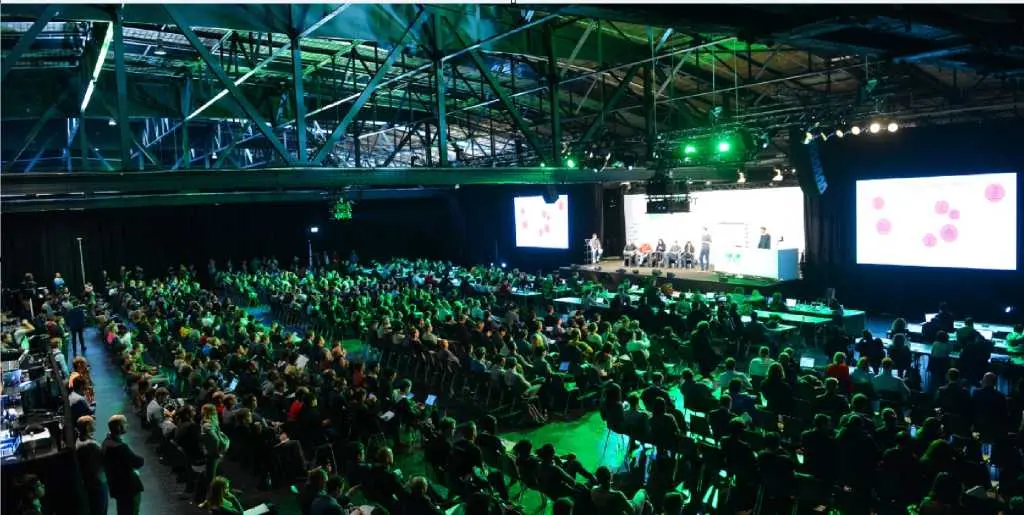
Oct 12, 2026Twila Rosenbaum The next phase of AI in software development will be the focus of a major technology conference in San Francisco from October 13-15, 2026. After code completion and code generation, autonomous coding agents can plan, write, test, review, and debug software with minimal human input. The event will feature more than 200 sessions across six stages, with leaders from Amazon, Anthropic, Google, NVIDIA, OpenAI, and others. Attendees will examine practical patterns for delegating work to agents, reviewing their output, and recovering from errors. View more
Oct 10, 2026Twila Rosenbaum Security researchers have uncovered a campaign that uses a fake AI crypto trading agent to install Needle Stealer, malware that replaces browser wallet extensions and captures wallet passwords. The attack abuses a Microsoft-signed executable and DLL side-loading to evade Windows security checks. Separate QR code phishing and Phantom Stealer campaigns move victims to phones or inject payloads hidden in images. The broader ecosystem includes invoice-themed malware, HTML smuggling, and fake installers that bundle unwanted software. View more
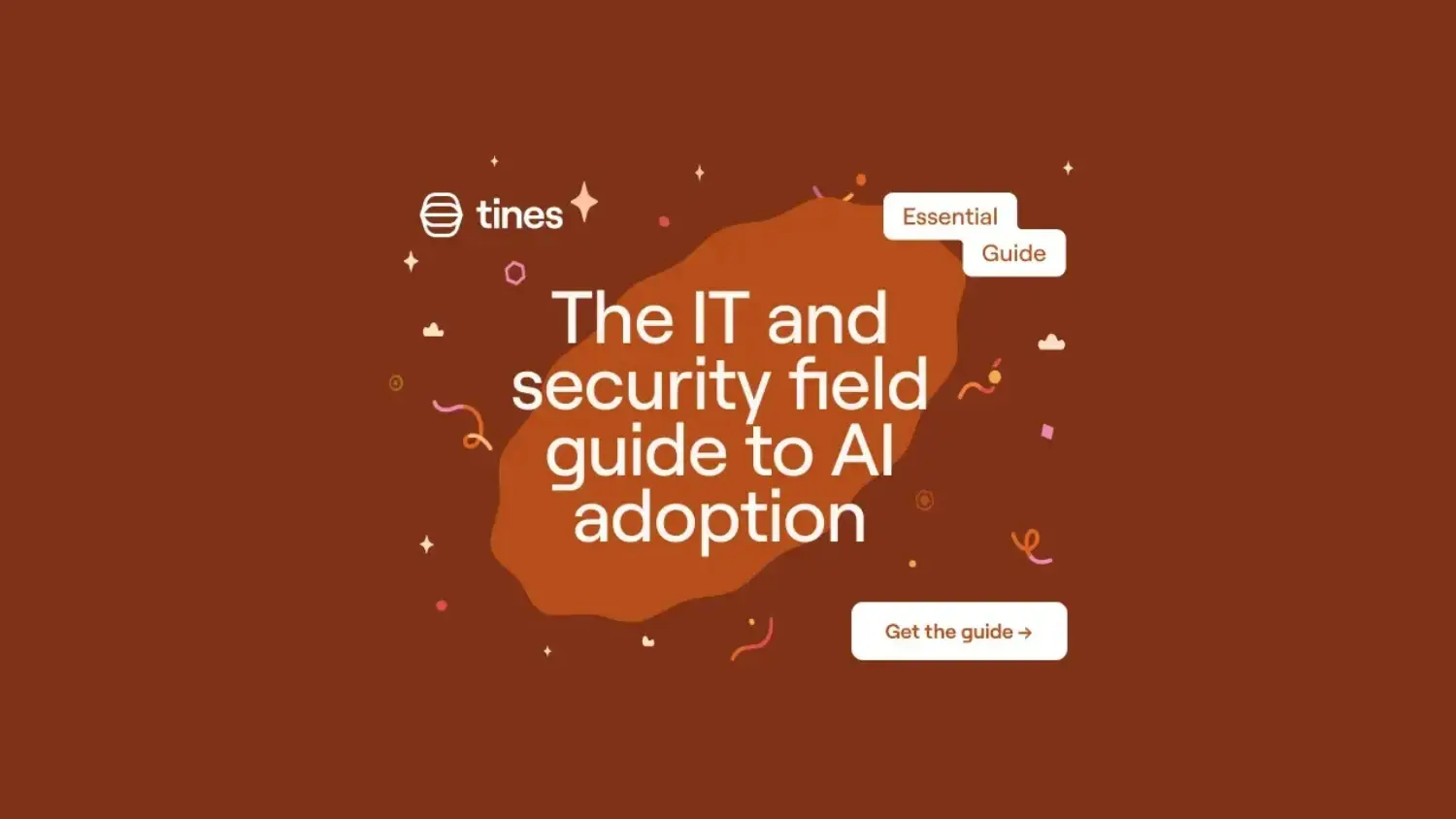
Oct 10, 2026Twila Rosenbaum A field guide designed to help IT and security teams navigate AI adoption is no longer available. The guide promised a practical framework for evaluating tools beyond polished demos, selecting production-ready systems, and pressure-testing vendors. It also emphasized human-in-the-loop best practices and cited examples from teams at major technology companies. Its withdrawal comes as many organizations report that AI tools increase complexity, risk, and oversight burdens rather than reducing workload. View more
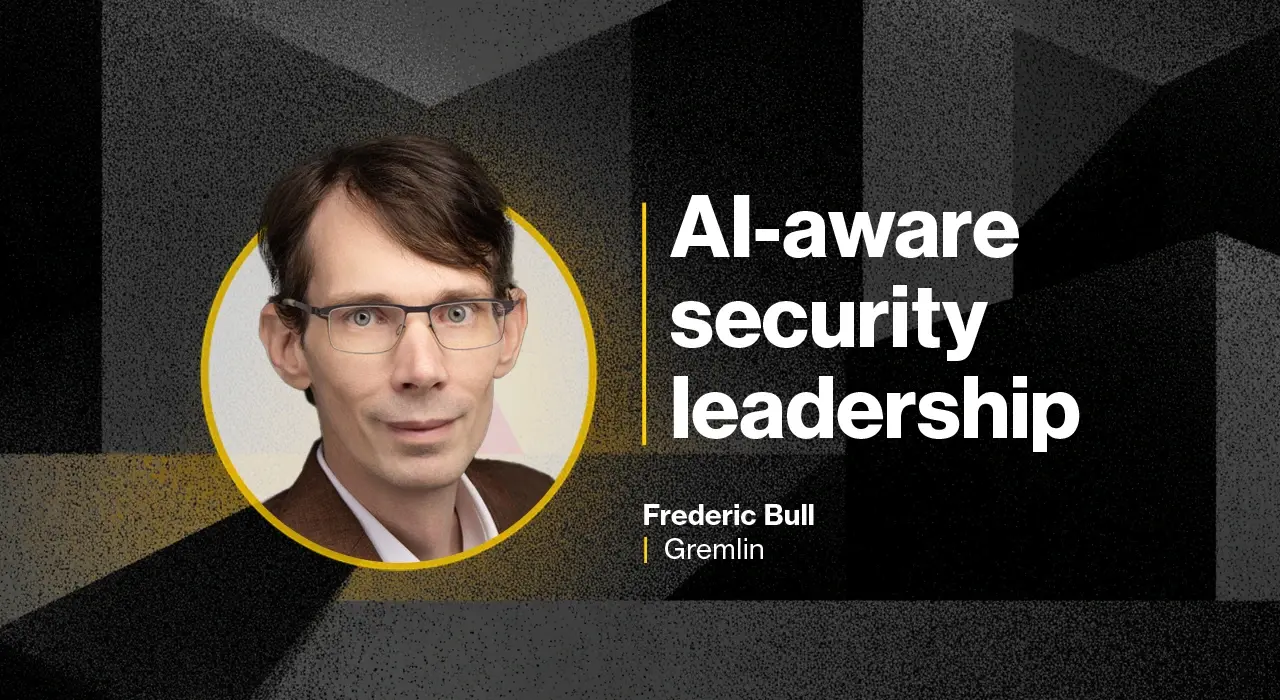
Oct 10, 2026Twila Rosenbaum Security leaders often ask what data an AI model was trained on. A security officer argues the better question is how to maintain authority and integrity over that data using least privilege and access controls. The interview explores how AI has eroded the attacker-defender skill gap, how one team handled nine times more vulnerabilities with the same staff, and why hiring now favors experience over routine output. View more
Oct 10, 2026Twila Rosenbaum When finance asks for a flat cybersecurity budget or a 12% cut, uniform trimming can weaken protection. A better approach is to sort spending into four buckets: what works, what was never operationalized, what duplicates another team’s tool, and what exists only for compliance theater. Security leaders who speak in risk and dollars and tie spending to revenue can change the conversation with finance. View more
Your experience on this site will be improved by allowing cookies Cookie Policy
These cookies are essential for the website to function properly.
These cookies help us understand how visitors interact with the website.
These cookies are used to deliver personalized advertisements.