



















Are Bespoke Decorative Mouldings Necessary to Run the Average Home?
Let’s explore whether these elegant design features serve a practical purpose or if they are just the icing on the cake for homeowners looking to make a statement.


When you think about running the average home, what comes to mind? Essentials like plumbing, heating, and electricity are obvious. But what about bespoke decorative mouldings, cornices, coving, ceiling roses, and skirting boards designed specifically for your space? Let's study.
Understanding Bespoke Decorative Mouldings
Bespoke decorative mouldings are tailored architectural features crafted to fit the dimensions and style of a particular home. They include:
Cornices Decorative edges where walls meet ceilings.
Coving Gently curved mouldings that create seamless transitions where walls meet ceilings.
Picture rails and dado rails Decorative and practical mouldings that enhance wall design and protect surfaces.
Ceiling roses Ornate designs fitted around light fixtures.
Skirting boards Protective and decorative edges at the bottom of walls.
Are They a Necessity or a Luxury?
For the average home, bespoke decorative mouldings are not strictly necessary in the same way as plumbing or electrical systems. You can live comfortably without them. However, they do bring several benefits that go beyond simple decoration.
Aesthetic Enhancement
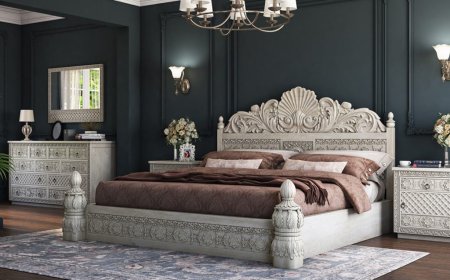
Mouldings transform plain spaces into visually stunning interiors. They frame rooms, add depth to walls and ceilings, and create a sense of proportion and style. For homeowners seeking a more refined or luxurious look, bespoke designs are a way to reflect personal taste and elevate an otherwise ordinary living space.
In period homes, replacing missing or damaged mouldings with bespoke pieces helps maintain architectural integrity. For modern homes, custom designs can bring in an element of character often lacking in new builds.
Practical Protection
Some mouldings have functional benefits. Skirting boards, for example, protect walls from scuffs, vacuum damage, and wear from furniture. Dado rails were initially installed to shield walls from chair backs. While their practical purpose may have diminished over time, they still offer a layer of protection for high-traffic areas.
Increased Property Value
Adding bespoke mouldings can also increase a propertys appeal and value. Potential buyers often see these features as a sign of quality and attention to detail. In heritage homes, authentic mouldings can enhance historical value and make a property more desirable on the market.
Concealing Imperfections
Decorative mouldings are an effective way to conceal cracks, uneven surfaces, and awkward joins between walls and ceilings. Bespoke designs fit perfectly to a homes dimensions, offering seamless solutions where standard pieces might fall short.
Why Bespoke Over Standard?
While standard mouldings are widely available and more affordable, bespoke options are crafted specifically for your space. This ensures:
Perfect fit for unusual dimensions or irregular walls.
Design flexibility to match period styles or create modern, unique patterns.
High-quality craftsmanship that lasts longer and offers superior detail.
For homes with distinctive architecture or for homeowners seeking a standout design, bespoke mouldings make all the difference.
Are They Worth the Investment?
The answer depends on your priorities. If your focus is purely functional, then bespoke mouldings may not seem essential. However, for those who value design, durability, and individuality in their living space, they are a worthwhile investment.
They are especially relevant if:
Youre restoring a period property.
You wish to bring a sense of luxury or distinctive character to a contemporary home.
You are enhancing a propertys appeal for a premium resale market.
For the average homeowner, bespoke mouldings may not be necessary, but they certainly offer long-term benefits in aesthetics, protection, and value.
Exterior Cornice Repair Cost: What You Need to Know
Repairing an exterior cornice can vary significantly in cost, influenced by the material used, the level of damage, and the intricacy of its design. On average, homeowners can expect to pay between 40 and 120 per linear metre for basic repairs. For ornate or heritage cornices, the price may rise to 150250 per metre, especially if specialist restoration is required.
For listed or period properties, using experienced craftsmen to ensure the repair matches the original design is crucial, though this can increase costs. Regular maintenance and early intervention can prevent minor issues from becoming costly Exterior Cornice repairs. Always request detailed quotes from professionals to avoid surprises and ensure quality workmanship.
Conclusion: Necessary or not?
Bespoke decorative mouldings arent essential to the day-to-day running of the average home, but they are far more than mere decoration. They enhance a propertys beauty, protect its surfaces, and can even increase its market value. For those seeking a home that feels truly finished and personalised, these features can make a significant difference.
In short, while not a necessity in the functional sense, bespoke mouldings are a worthwhile consideration for homeowners who want their living space to stand out. They represent an investment in craftsmanship and character, two qualities that never go out of style.