






















Comme des Garçons The Revolutionary Force in Fashion
Comme des Garçons The Revolutionary Force in Fashion

Comme des Garons, meaning "like boys" in French, is more than just a fashion label. Its a groundbreaking, avant-garde brand that has redefined the boundaries of fashion, challenging conventions and creating art through clothing. comme des garcons .uk Founded in Tokyo in 1969 by visionary designer Rei Kawakubo, Comme des Garons has grown from a niche Japanese brand to a global symbol of innovation and rebellion in the fashion world.
Origins and Founder Rei Kawakubo
Rei Kawakubo was born in Tokyo in 1942 and initially studied fine arts and literature at Keio University. She entered the fashion world somewhat unexpectedly, launching Comme des Garons in 1969. Her background in art profoundly influenced her approach to fashion she didnt see clothes as mere garments but as a form of expression and conceptual art.
The name Comme des Garons ("like boys") reflects Kawakubos desire to challenge traditional gender norms and beauty standards. Early on, her designs often featured androgyny and played with the concept of masculinity and femininity. She wanted to disrupt the expected roles of fashion and identity.
Philosophy and Design Aesthetic
Comme des Garons is known for its radical design philosophy. cdg hoodie Kawakubo has famously rejected fashions typical pursuit of beauty and perfection. Instead, she embraces imperfection, asymmetry, deconstruction, and abstraction. Her work often explores the idea of anti-fashion, questioning what fashion should be rather than adhering to trends.
Key Characteristics:
Deconstruction: Clothes often look unfinished or distorted, with exposed seams, frayed edges, and unconventional shapes.
Monochrome Palette: Black is a signature color for Comme des Garons, symbolizing mystery, rebellion, and depth.
Volume and Form: The brand experiments with exaggerated shapes, oversized silhouettes, and architectural forms.
Gender Fluidity: Kawakubos collections frequently blur gender lines, featuring pieces that are unisex or challenge traditional gender presentation.
Conceptual Themes: Each collection often revolves around abstract ideas decay, asymmetry, incompleteness, and the grotesque.
Major Milestones
Paris Debut (1981)
Comme des Garons made its debut in Paris in 1981, which was a bold move for a Japanese designer. At a time when Paris was the epicenter of traditional fashion, Kawakubos designs shocked critics and audiences. Her clothes were dark, raw, and unconventional, starkly contrasting with the polished, glamorous looks of established European designers.
The initial reception was mixed some called her work ugly or incomprehensible. But over time, critics and fashion insiders began to recognize the intellectual depth and innovation behind her collections. Kawakubo helped pave the way for other Japanese designers to enter the global fashion scene.
The Play Line (1988)
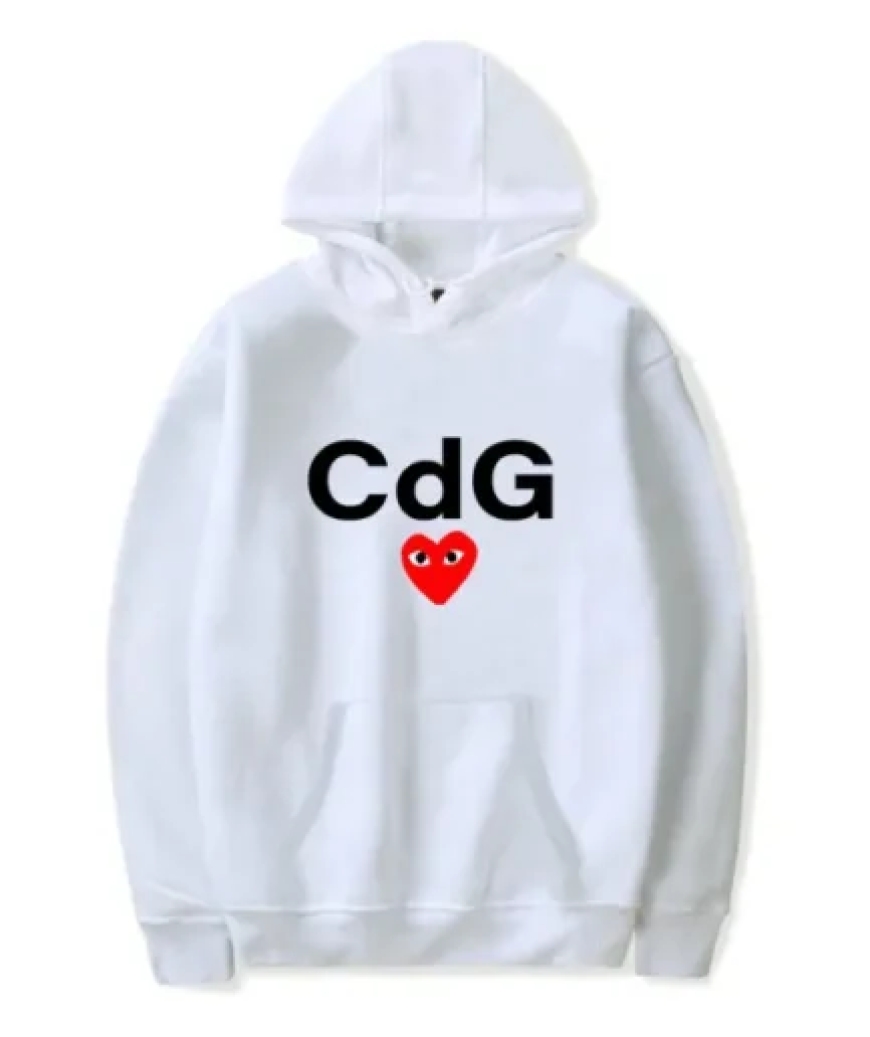
In 1988, Comme des Garons launched its Play line, a more accessible and casual collection featuring the iconic heart logo with two eyes designed by artist Filip Pagowski. This line became widely popular and helped bring Comme des Garons into mainstream recognition while maintaining its avant-garde ethos.
Collaborations and Expansion
Comme des Garons has collaborated with a variety of brands, from Nike to Louis Vuitton, bridging the gap between high fashion and streetwear. These collaborations often fuse Kawakubos conceptual aesthetics with other styles, broadening the brands appeal.
Additionally, the company expanded into various sub-labels such as Comme des Garons Homme, Comme des Garons Noir, and Comme des Garons Shirt, each exploring different facets of Kawakubos vision.
Influence on Fashion and Culture
Comme des Garons has had a profound impact on both fashion and culture. Rei Kawakubos radical approach has inspired generations of designers and artists to think differently about clothing.
Challenging Beauty Standards
Kawakubo rejects traditional ideas of beauty, instead embracing imperfections and the unconventional. Her work encourages self-expression beyond superficial appearances and challenges societal norms around body image and gender.
Innovation in Fashion Techniques
The brand has pushed the boundaries of tailoring and garment construction, inspiring new methods such as deconstruction and reconstruction in fashion. This has influenced the broader industry, including luxury brands and emerging designers.
Cultural Crossroads
Comme des Garons embodies the fusion of Eastern and Western aesthetics. Kawakubos Japanese heritage combined with her immersion in Parisian fashion created a unique perspective that challenged Eurocentric fashion norms and introduced a new, global vision.
The Brand Today
Today, Comme des Garons continues to thrive under Rei Kawakubos leadership. The brand remains a beacon of creativity, constantly reinventing itself while staying true to its core philosophy. Kawakubo is now regarded as one of the most important designers of the modern era, frequently honored for her contributions to art and fashion.
The brands flagship stores, particularly in Tokyo, Paris, and New York, are destinations for fashion enthusiasts worldwide. Comme des Garons has also ventured into fragrances, accessories, and even furniture, extending its artistic vision beyond clothing.
Conclusion
Comme des Garons is not just a fashion brand it is a cultural phenomenon that has forever altered how we think about clothing, identity, and art. Through the visionary work of Rei Kawakubo, the brand has championed originality, defied norms, and pushed fashion into uncharted territories. As an enduring symbol of avant-garde creativity, Comme des Garons continues to inspire and challenge the fashion world, proving that style can be a powerful form of self-expression and intellectual exploration.