























Dental Implants vs. Bridges: Which One Is Right for You?

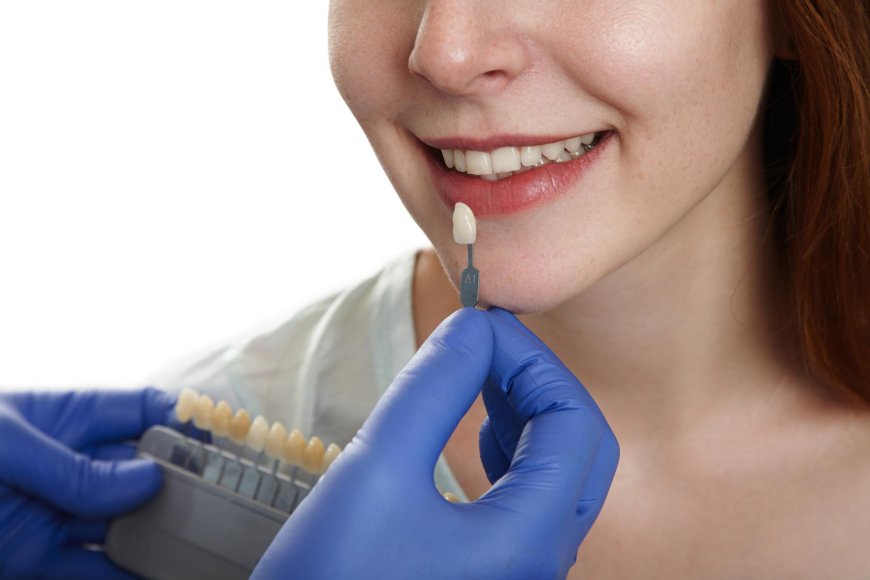
If you're missing one or more teeth, you're not aloneand you have options. Dental technology has advanced far beyond traditional dentures, offering durable, natural-looking restorations like dental implants and dental bridges. But how do you know which one is right for you?
In this guide, well walk you through the differences between dental implants and bridges, compare their pros and cons, and help you determine the best solution for your unique dental needs.
What Are Dental Implants?
Dental implants are titanium posts that are surgically inserted into the jawbone, acting as artificial tooth roots. Once the implant fuses with the bone (a process called osseointegration), a crown or prosthetic tooth is attached, resulting in a restoration that looks, feels, and functions like a natural tooth.
Patients often turn to dental implants Pearland providers for a permanent solution that maintains jawbone integrity and avoids affecting neighboring teeth. Implants can replace a single tooth, multiple teeth, or serve as anchors for bridges or dentures.
What Are Dental Bridges?
Dental bridges are fixed prosthetics that "bridge" the gap left by missing teeth. A typical bridge involves two or more crowns placed on either side of the gap with artificial teeth (pontics) in between. The supporting teeth can be natural or implant-supported.
Traditional bridges rely on filing down healthy adjacent teeth for support. However, in modern dentistry, an alternative like a dental implant bridge offers better structural support without compromising surrounding teeth.
Comparing Procedure & Recovery Time
Dental Implants
Implant placement is a surgical procedure. It involves:
-
An initial consultation and 3D imaging
-
Implant placement into the jawbone
-
A healing period of 36 months
-
Abutment and crown placement
Though its a longer process, the outcome is a permanent, stable tooth replacement.
Dental Bridges
Bridges require less time and no surgery (for traditional types):
-
Tooth preparation and impressions
-
Temporary bridge placement
-
Permanent bridge cemented after 12 visits
For many patients, this quicker turnaround is appealingespecially when replacing front teeth.
Durability and Maintenance
Dental implants are known for their durability, lasting 1525 years or longer with proper care. They require regular brushing, flossing, and dental checkupsjust like natural teeth.
Bridges typically last 715 years. However, since they involve multiple connected teeth, cleaning around and under the bridge can be more challenging, increasing the risk of decay or gum issues.
Cost Comparison and Insurance
Implants tend to have a higher upfront cost due to the surgical procedure, components, and materials involved. However, because of their longevity, they may be more cost-effective over time.
Bridges cost less initially but may require replacement sooner, especially if the supporting teeth are compromised. Insurance coverage varies, but both options are often partially covered under restorative dental plans.
Some dental practices offer financing plans or phased treatment to make care more accessible.
Aesthetics and Functionality
Both options can look very natural. However, implants are more likely to preserve the shape of your face and jawbone, preventing the sunken look that can result from missing teeth.
Bridges restore your smile but dont stimulate the jawbone the way implants do. If preserving bone structure is a priority, implants are usually the preferred option.
Who Is a Better Candidate for Each?
Ideal Candidates for Implants:
-
Have good overall and oral health
-
Have enough bone density to support the implant
-
Dont smoke or are willing to quit
-
Can commit to a longer healing process
An evaluation by a dental implants periodontist can confirm if implants are a suitable choice based on bone and gum condition.
Ideal Candidates for Bridges:
-
Need to replace one or two teeth in a short time
-
Have strong, healthy adjacent teeth
-
Want a less invasive, faster solution
-
May not be ideal surgical candidates
If you're searching for dental bridges near me, your dentist will assess your needs and recommend whether a traditional or implant-supported bridge is right for you.
Final Thoughts: Making the Right Choice
Both dental implants and bridges offer effective solutions for replacing missing teeth. The right choice depends on your oral health, budget, time frame, and long-term goals.
A dental implant bridge may be ideal if you're missing several adjacent teeth and want maximum support and longevity. On the other hand, a traditional bridge may be more appropriate if you prefer a faster, non-surgical solution.
Whatever path you choose, consult a trusted dental clinic or specialist to evaluate your options and guide you toward the most functional, comfortable, and aesthetically pleasing result.