























Energy-Efficient Automation: How PLC & SCADA Can Cut Costs in Cider Making
PLC and SCADA are more than just control systems—they're strategic tools for sustainable growth in cider making.

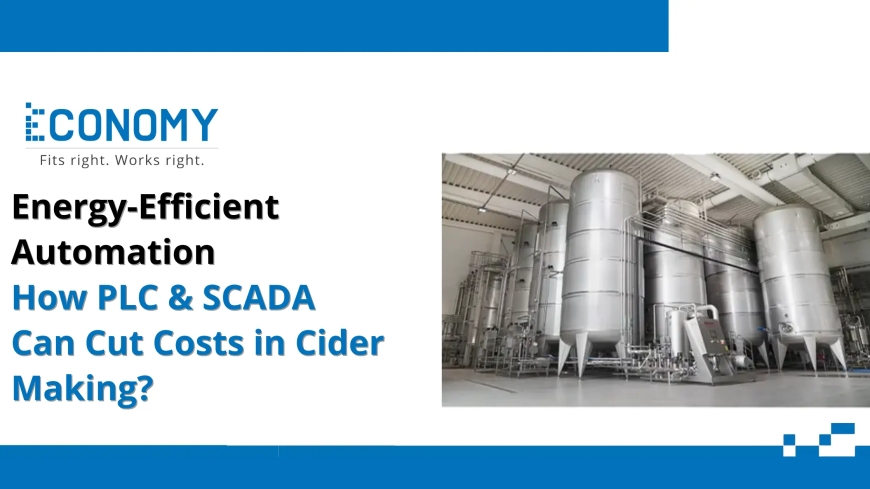
In the ever-evolving beverage industry, reducing operational costs while maintaining consistent product quality is essential. For cider manufacturers, automation is no longer a luxuryits a necessity. Two powerful technologies, PLC (Programmable Logic Controllers) and SCADA (Supervisory Control and Data Acquisition), are revolutionizing the cider production process by enhancing energy efficiency and boosting profitability.
What Are PLC and SCADA Systems?
PLC is a rugged industrial computer used to control manufacturing processes such as mixing, fermenting, and bottling. It executes real-time, programmed commands to operate machinery with high precision and minimal human intervention.
SCADA is a centralized system that monitors and gathers data from various PLCs and sensors across the facility. It provides visual dashboards, trend charts, alarms, and remote control capabilities, enabling operators to make informed decisions quickly.
Together, PLC and SCADA form a complete automation architecture that allows cider producers to optimize workflows, minimize downtime, and improve energy consumption.
Why Energy Efficiency Matters in Beverage Production
The cider-making processfrom apple pressing and fermentation to bottlingrequires significant energy input. Compressors, pasteurizers, refrigeration units, and conveyor belts consume large amounts of electricity. Without automation, much of this energy use can be wasteful or inconsistent, leading to inflated utility bills and a larger carbon footprint.
In a highly competitive market, regulatory pressure and consumer demand for sustainability are pushing cider makers to rethink traditional processes. Investing in energy-efficient solutions isn't just good for the planetit's good for business. Lower energy usage translates to lower costs per liter of cider produced, helping companies maintain profitability without compromising quality.
How PLC and SCADA Enhance Energy Efficiency
-
Real-Time Monitoring and Control:
PLCs help control every aspect of cider productionfrom temperature regulation in fermenters to motor speed in mixers. When connected to SCADA, this data becomes visible on dashboards, allowing operators to identify excessive energy usage and adjust settings in real time. -
Automated Scheduling:
SCADA systems can schedule high-energy processes like refrigeration or sterilization during off-peak electricity hours. This load shifting reduces energy bills and strain on the power grid. -
Reduced Equipment Wear and Tear:
Automated start-stop functions and controlled acceleration of motors reduce mechanical stress, resulting in longer equipment life and more efficient energy use. -
Leak and Fault Detection:
With SCADA, minor issues such as steam leaks, air compressor inefficiencies, or abnormal pump behavior are detected early. Fixing them quickly prevents unnecessary energy loss. -
Data-Driven Decision Making:
SCADA provides historical trends, allowing plant managers to evaluate where energy is being wasted and implement long-term efficiency improvements.
Financial Benefits of PLC and SCADA Integration
Energy savings are just the beginning. Here's how automation delivers a strong return on investment:
-
Reduced Labor Costs: Automation minimizes manual intervention, reducing staffing needs for repetitive tasks.
-
Minimized Downtime: Fault detection and predictive maintenance reduce unplanned shutdowns, preserving productivity.
-
Optimized Production Yields: With precise control, the system reduces batch variability and product waste, increasing sellable output.
-
Faster ROI: Although the initial investment in automation may seem high, most cider manufacturers recover the cost through savings in just 12 years.
-
Utility Rebates & Incentives: Many governments and local utility providers offer incentives for adopting energy-efficient systemsadding to the financial gain.
How to Transition to Energy-Efficient Automation
Shifting to an automated system doesnt have to disrupt your entire operation. Heres how to implement PLC and SCADA efficiently:
-
Start with an Energy Audit:
Identify areas with the highest energy consumption to prioritize automation upgrades. -
Choose Scalable Solutions:
Opt for modular PLCs and SCADA platforms that can expand as your production grows. -
Work with an Automation Partner:
Collaborate with experienced integrators who understand the beverage sector. They can tailor automation strategies to suit your specific cider-making process. -
Train Your Staff:
Proper training ensures your team can leverage the new systems capabilities fully, from interpreting data to managing alarms. -
Monitor KPIs Post-Implementation:
Set key performance indicators (KPIs) to track energy savings and productivity improvements over time.
Embracing Automation for a Sustainable Cider Industry
PLC and SCADA in cider production is no longer just about tasteit's about efficiency, sustainability, and smart resource use. By integrating PLC and SCADA systems, cider manufacturers not only cut energy costs but also align with modern environmental expectations.
Automation empowers your operation to run smarter, cleaner, and faster. As energy prices continue to rise and consumers demand greener practices, those who embrace energy-efficient automation will lead the cider market of the future.
Bottom Line:
PLC and SCADA are more than just control systemsthey're strategic tools for sustainable growth in cider making. From cutting utility costs to enhancing quality control, the benefits are tangible and long-lasting. Investing in automation today ensures a more competitive, profitable, and eco-conscious cider operation tomorrow.