























Future of Cloud Jobs: Why Learn AWS
Future of Cloud Jobs: Why Learn AWS—explore growing demand, top roles, and how AWS skills boost your tech career prospects.

Introduction
Cloud computing has revolutionized the way companies operate, and as businesses increasingly shift to the cloud, the demand for professionals with cloud expertise continues to soar. Among the cloud service providers, Amazon Web Services (AWS) stands out as the global leader, empowering thousands of companies with scalable, secure, and cost-effective cloud solutions. If you're thinking about a future-proof career, learning AWS is no longer optionalit's essential. In this article, well explore why cloud jobs are booming, how AWS fits into the big picture, and why gaining AWS skills today can position you for exciting opportunities in tomorrows job market.
The Rise of Cloud Computing in the Job Market
Global Shift Toward Cloud Adoption
Companiesfrom startups to enterprisesare moving their operations to the cloud for better efficiency, cost savings, and flexibility. This transition has fueled:
-
A surge in demand for cloud architects, engineers, and administrators
-
The rise of remote, scalable infrastructures
-
A shift from on-premise to cloud-based development
According to Gartner, the public cloud services market is expected to reach over $700 billion by 2025, signaling massive job growth in this field.
Cloud Is No Longer Optional
-
Small businesses adopt cloud for affordability.
-
Enterprises use it for scale and global access.
-
Governments and banks are moving critical workloads to the cloud.
This shows that cloud proficiency is relevant across all industrieshealthcare, fintech, e-commerce, logistics, and more.
Why AWS Leads the Cloud Market?
AWS Market Dominance
As of now, AWS holds the largest share in the cloud infrastructure marketsurpassing Azure and Google Cloud.
Why AWS is preferred:
-
Robust infrastructure across 30+ global regions
-
Trusted by brands like Netflix, NASA, and Airbnb
-
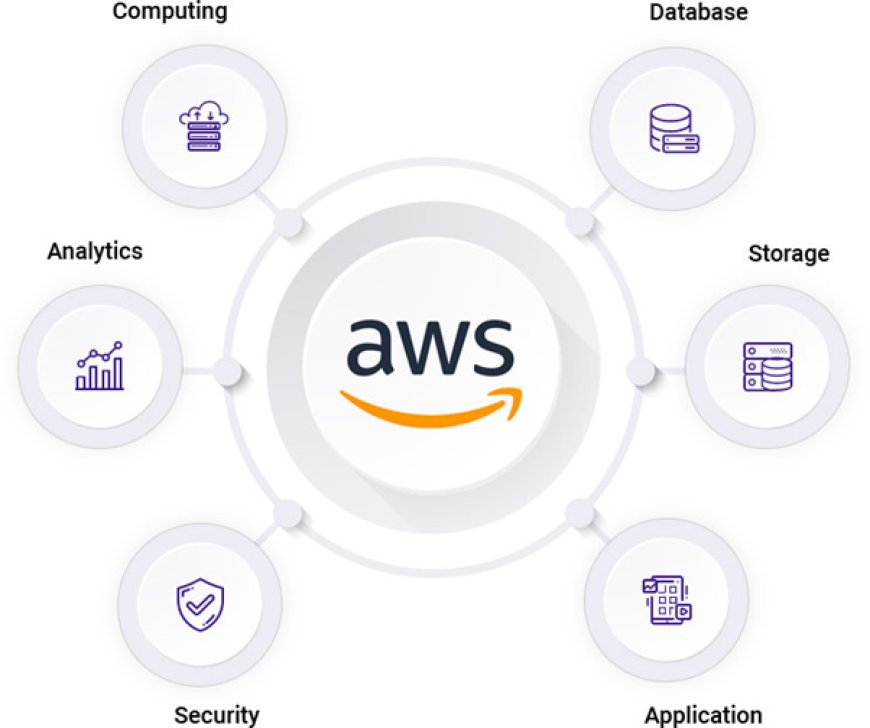
Offers 200+ services: computing, storage, ML, analytics, IoT, DevOps
Credibility in the Job Market
Employers trust AWS-certified professionals because:
-
AWS has a structured certification path
-
It provides hands-on skills applicable to real-world use
-
Certifications are backed by Amazon, a cloud pioneer
Top Reasons to Learn AWS in 2025 and Beyond
1. High Demand Across Job Roles
Learning AWS unlocks multiple career paths such as:
-
Cloud Solutions Architect
-
DevOps Engineer
-
SysOps Administrator
-
Cloud Security Specialist
-
Data Engineer / Analyst using AWS tools
Companies look for AWS skills even in roles like web development, project management, and QA testing.
2. Lucrative Salary Packages
According to Glassdoor and Payscale:
-
AWS Solutions Architects earn ?1225 LPA in India or $120,000+ annually in the U.S.
-
Entry-level AWS certified roles start at competitive salaries with rapid growth potential
3. Flexibility in Learning and Certifications
AWS offers a clear learning path with beginner to advanced certifications:
-
Foundational: AWS Cloud Practitioner
-
Associate: Solutions Architect, Developer, SysOps
-
Professional: Solutions Architect, DevOps Engineer
-
Specialty: Security, ML, Big Data, Networking
You can study online via:
-
AWS Skill Builder
-
YouTube tutorials
-
Udemy, Coursera, LinkedIn Learning
4. Work with Real Projects
Once you learn AWS, you can apply it in real-world scenarios:
-
Deploy websites using EC2 and S3
-
Create serverless apps with Lambda
-
Build data pipelines with AWS Glue
-
Run ML models using SageMaker
This practical exposure makes your resume stronger and interview-ready.
5. Supportive Community and Resources
AWS has a large and active community:
-
AWS re:Invent a global annual conference
-
Developer forums and GitHub projects
-
Free tier and sandbox environments for testing
Youll never feel stuck because help is always available, from both peers and professionals.
Industries and Companies Hiring AWS Talent
Sectors That Rely on AWS Skills
-
Finance & Banking secure cloud migration
-
Healthcare patient data analytics on AWS
-
Retail & E-commerce product recommendation engines
-
EdTech & Media video streaming and content delivery
Top Employers Actively Seeking AWS Talent
-
Amazon
-
Deloitte
-
Accenture
-
TCS
-
Infosys
-
Capgemini
-
Microsoft (Yes, even AWS competitors!)
-
Startups and Unicorns
Tips to Begin Your AWS Learning Journey
Step-by-Step Guide
-
Start with Basics
-
Understand what cloud computing is
-
Learn about regions, availability zones, and EC2
Take the AWS Certified Cloud Practitioner Exam
-
Ideal for complete beginners
-
Covers foundational concepts
Move to Associate Level Certifications
-
Choose a path: architect, developer, or operations
Work on Projects
-
Host a static website on S3
-
Set up a WordPress site on EC2
-
Automate infrastructure with CloudFormation
Join AWS Events & Hackathons
-
Gain exposure to real-world use cases
-
Network with industry professionals
Conclusion
The future of cloud jobs is bright, and learning AWS gives you a powerful edge in this growing ecosystem. Whether you're an aspiring tech professional or looking to upskill, AWS courses in Chandigarh knowledge opens doors to high-paying, in-demand roles across industries. Start with the basics, grow with certifications, and build projects to stand out. In a world moving swiftly to the cloud, AWS is your ticket to a future-proof career.
FAQs
Q1: Is AWS difficult to learn for beginners?
No, AWS is beginner-friendly. Start with the Cloud Practitioner exam and move step-by-step.
Q2: Do I need a coding background to learn AWS?
Not necessarily. Some services require scripting, but many AWS services are GUI-based.
Q3: How long does it take to become AWS certified?
On average, 13 months depending on your background and study consistency.
Q4: Are AWS jobs only for developers?
No. Roles include cloud architect, data analyst, sysadmin, DevOps, and more.
Q5: Is AWS better than Azure or Google Cloud?
AWS has the largest market share, most services, and biggest global footprintmaking it the top choice for many companies.