























Ultimate Guide to Helium Leak Detectors: Applications, Benefits, and How They Work
Discover the ultimate guide to Helium Leak Detectors—learn how they work, their applications, benefits, maintenance tips, and how to choose the right detector for your industry.

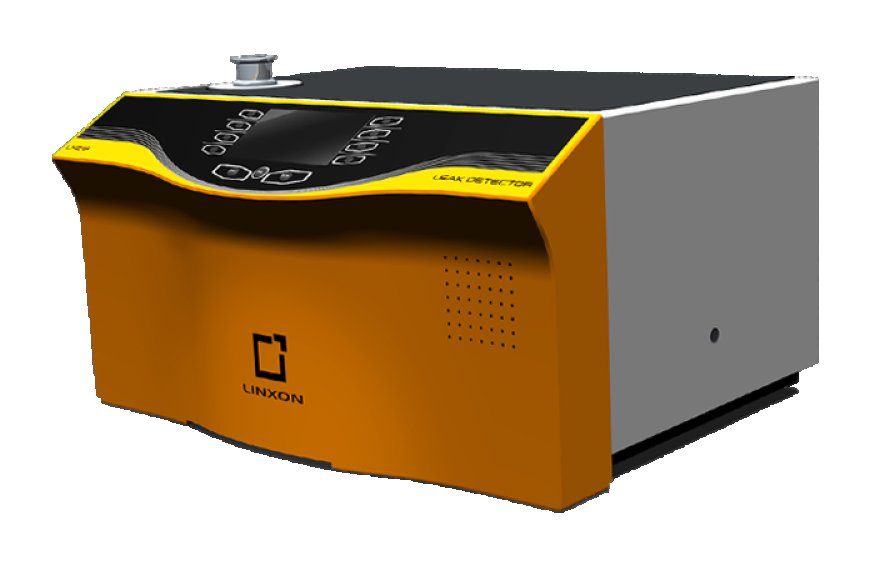
In precision industries where leak detection is critical, Helium Leak Detectors are the gold standard for identifying even the smallest leaks. Used extensively in aerospace, automotive, medical devices, HVAC, and semiconductor industries, these detectors ensure product reliability, safety, and regulatory compliance. This comprehensive blog explores what helium leak detectors are, how they work, their benefits, applications, alternative detection methods, a buyers guide, troubleshooting tips, and essential maintenance insights to ensure optimal performance.
What is a Helium Leak Detector?
A Helium Leak Detector is a highly sensitive device designed to identify and measure helium gas escaping from leaks in sealed systems. Leveraging heliums unique propertiessmall atomic size, inertness, and low natural atmospheric presencethese detectors can pinpoint minuscule leaks that other methods fail to detect.
The primary component of most helium leak detectors is a mass spectrometer, which measures the presence and concentration of helium, indicating the location and severity of leaks.
How Does a Helium Leak Detector Work?
The working principle involves using helium gas as a tracer. The process generally includes:
-
Pressurizing the System with Helium: The test component is filled with helium or exposed to helium gas.
-
Detection Using a Mass Spectrometer: The detectors mass spectrometer analyzes the air near the component, identifying any helium present.
-
Pinpointing the Leak: The detector quantifies helium levels, allowing operators to locate and assess the leak.
There are two main methods of helium leak detection:
-
Vacuum Method: The component is placed under vacuum, and helium is introduced externally. Any helium entering through leaks is detected by the mass spectrometer.
-
Sniffer Method: Helium is pressurized inside the component, and a sniffer probe scans the exterior to locate escaping helium.
Types of Helium Leak Detectors
-
Portable Helium Leak Detectors: Ideal for field inspections and maintenance.
-
Stationary Helium Leak Detectors: Designed for continuous monitoring in production lines.
-
Automated Helium Leak Detection Systems: Integrated into automated production processes for high-volume testing.
Benefits of Using Helium Leak Detectors
1. Unmatched Sensitivity
Capable of detecting leaks as small as 1x10^-12 mbar*l/s, helium leak detectors surpass most other leak detection technologies.
2. Quantifiable Results
Provides numerical leak rate measurements, ensuring precise quality control and traceability.
3. Non-Destructive Testing
Does not harm or alter the tested component, making it ideal for quality assurance.
4. Safety and Inertness
Helium is non-toxic, non-flammable, and safe for use in sensitive environments.
5. Regulatory Compliance
Ensures products meet industry standards and safety regulations.
Applications of Helium Leak Detectors
-
Aerospace Industry: Detects leaks in critical components like fuel tanks, hydraulic systems, and avionics.
-
Automotive Industry: Used for testing air conditioning systems, fuel tanks, and brake systems.
-
Medical Devices: Ensures the integrity of devices such as pacemakers and catheters.
-
Semiconductor Manufacturing: Maintains vacuum integrity in semiconductor processing equipment.
-
HVAC Systems: Identifies leaks in air conditioning and refrigeration systems.
-
Pharmaceutical Packaging: Ensures airtight seals in pharmaceutical containers.
-
Power Plants and Nuclear Facilities: Critical leak detection for high-pressure systems and containment units.
Comparison with Other Leak Detection Methods
-
Soap Bubble Test: Suitable for large, visible leaks but lacks sensitivity.
-
Pressure Decay Test: Simple and inexpensive but limited in leak size detection.
-
Ultrasonic Leak Detection: Detects sound of leaks but less accurate for microscopic leaks.
-
Helium Leak Detection: Offers unparalleled sensitivity, precision, and quantifiable results.
How to Choose the Right Helium Leak Detector
-
Required Sensitivity Level: Match the detectors sensitivity to your application needs.
-
Type of Component: Consider if sniffer or vacuum methods are better suited.
-
Mobility Requirement: Decide between portable or stationary models.
-
Volume of Testing: For high-volume production, automated systems are ideal.
-
After-Sales Support: Ensure availability of service, spare parts, and calibration services.
-
Ease of Use: Look for user-friendly interfaces, data logging capabilities, and automated diagnostics.
Common Issues and Troubleshooting Tips
-
Inconsistent Readings: Check calibration status and inspect the sensor.
-
High Background Helium Levels: Ensure proper ventilation and avoid helium contamination.
-
No Leak Detected Despite Obvious Leak: Inspect for system blockages or faulty sniffer probes.
-
Vacuum Pump Malfunction: Regularly service the integrated vacuum pump.
-
Sensor Degradation: Replace sensors as part of routine maintenance.
Maintenance Tips for Helium Leak Detectors
1. Regular Calibration
Periodic calibration ensures accurate measurements and consistent performance.
2. Sensor Maintenance
Inspect and replace sensors as needed to maintain sensitivity and reliability.
3. Vacuum Pump Servicing
Maintain the associated vacuum pumps to prevent contamination and ensure optimal vacuum levels.
4. Filter Replacement
Replace filters regularly to avoid airflow obstructions and contamination.
5. Software Updates
Keep the detectors software updated for enhanced functionality and data logging capabilities.
6. Operator Training
Ensure personnel are properly trained in operating, maintaining, and troubleshooting the detector.
Why Invest in Helium Leak Detectors?
Helium leak detectors are essential for industries where product integrity and safety are non-negotiable. Their precision, reliability, and ability to detect microscopic leaks make them invaluable in high-stakes manufacturing environments. Long-term cost savings through reduced rework and improved quality make them a wise investment.
Conclusion
Helium Leak Detectors provide an unparalleled solution for accurate, efficient, and reliable leak detection across various industries. Understanding their working principles, benefits, maintenance needs, and troubleshooting methods enables businesses to enhance product quality, ensure safety, and meet stringent industry standards.
For manufacturers seeking superior leak detection technology, investing in helium leak detectors ensures precise quality control and operational excellence. By selecting the right detector, maintaining it diligently, and training operators effectively, organizations can achieve long-term success and uphold their commitment to safety and quality.