




















How Car Wreckers in Sydney Handle Old Japanese Vehicle Removal
Learn how car wreckers in Sydney remove old Japanese vehicles through proper assessment, part salvaging, and recycling, while following safe and legal methods.
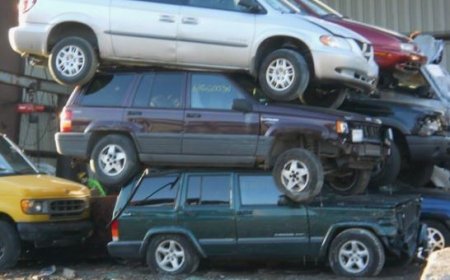
When vehicles grow too old to run safely or economically, many owners in Sydney turn to car wreckers to take them off their hands. Japanese cars, in particular, are common in Australia because of their durability and popularity over the years. However, even the most reliable models eventually reach a point where repairs become impractical. Car wreckers play a major role in removing these old vehicles while supporting recycling efforts. This blog explains how car wreckers in Sydney handle the removal process for old Japanese vehicles, focusing on how they assess, dismantle, and recycle these cars in a structured and lawful way.
Why Japanese Cars Are Common in Sydney
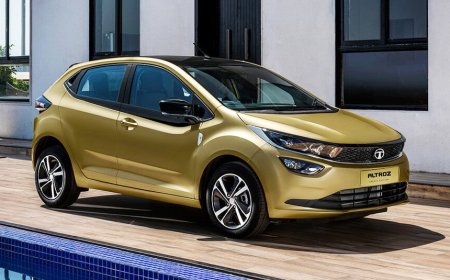
Japanese brands like Toyota, Honda, Nissan, Mazda, and Subaru are some of the most widely used vehicles in Sydney. Their popularity is based on long-term durability, fuel efficiency, and availability of spare parts. Many of these cars were imported in large numbers over the last few decades, especially as second-hand models from Japanese auto wreckers Sydney. While their initial performance remains strong, over time, exposure to harsh conditions, high mileage, and mechanical ageing makes them less suitable for continued use. At this stage, many owners explore options beyond just repairing or selling privately, especially when the vehicle is no longer roadworthy or registered.
Signs That a Japanese Car Is Ready for Removal
Car wreckers usually receive Japanese vehicles that show clear signs of end-of-life. These include:
- Repeated mechanical issues like engine knocking, transmission slipping, or overheating
- Rusted frames or damaged body parts beyond repair
- Expired registrations that would cost more to renew than the vehicles worth
- Safety features that no longer function properly
- No market value for resale or trade-in
At this point, keeping the car becomes a burden. That is where wreckers offer a structured solution.
Initial Assessment by Car Wreckers
When a car wrecker receives a removal request, the first step is inspection. The goal is to understand the make, model, age, and condition of the vehicle. For Japanese cars, wreckers already have a good idea of the parts that are likely to be reusable, which helps speed up the process. Some popular models such as the Toyota Corolla or Nissan X-Trail may still have demand for engines, mirrors, or suspension parts even when the car as a whole is no longer functional.
This initial step also ensures the car is safe to move, especially if it is not drivable. Depending on location and access, wreckers arrange towing or removal transport accordingly.
Removing Fluids and Hazardous Parts
Once the vehicle reaches the wreckers yard, workers begin by removing all fluids. This includes:
- Engine oil
- Transmission fluid
- Brake fluid
- Coolant
- Fuel
- Power steering fluid
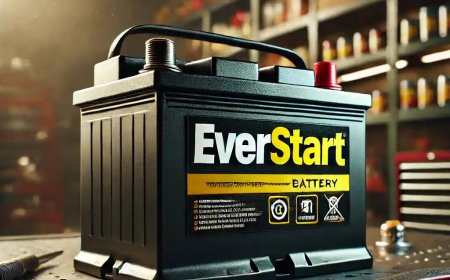
These fluids are drained carefully to avoid leaks that could harm the environment. Most wreckers follow regulations related to waste fluid storage and disposal. Airbags, batteries, and other hazardous materials are also removed and sorted to ensure they do not end up in landfill.
Salvaging Usable Parts
The next step is to identify parts that can be saved. Japanese vehicles are popular for spare parts because they are widely used in Australia. This makes it easier to find buyers for:
- Engines and gearboxes
- Starters and alternators
- Radiators
- Doors and mirrors
- Tyres and rims
- Seats and interior trims
Wreckers test and clean these parts before listing them for resale. Even if the car is decades old, some components might still work and help others extend the life of their own vehicles. In cases where the car has been in a collision, side panels or back doors might still be reusable.
Recycling Metal and Materials
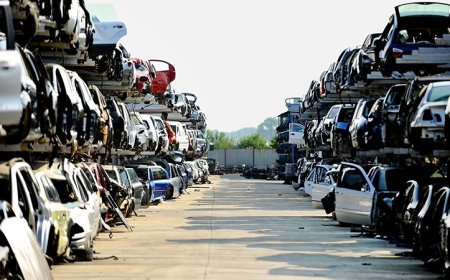
Once all usable components are removed, what remains is mostly metal. Car wreckers then send the stripped shell for crushing and recycling. Steel, aluminium, and copper from wiring are separated and sent to scrap metal buyers. This reduces waste and supports the recycling chain in Australia. On average, around 80 to 90 percent of a cars materials can be reused or recycled.
This process is not just about getting rid of old cars. It also helps reduce the demand for new metal production, which uses large amounts of energy and resources.
Documentation and Legal Steps
Removing a vehicle also involves following the right paperwork. Wreckers usually require proof of ownership from the vehicle owner. Once that is provided, the cars registration is cancelled (if not already expired), and a record is created to show the car has been removed and dismantled. This step protects the owner from any future liabilities and ensures the car cannot be illegally resold or used.
In many cases, the wrecker provides a written receipt for the transaction, especially when any payment is involved for the cars scrap value or spare parts.
Environmental Role of Car Wreckers
Japanese cars that are no longer fit for use can create a major environmental risk if left to sit in backyards or dumped illegally. Oil leaks, battery acid, and rust can harm soil and waterways. Car wreckers play a part in limiting this damage by offering a proper removal and recycling solution. Their process follows environmental standards and helps reduce illegal dumping in local areas across Sydney.
Wreckers also contribute to lowering the demand for imported auto parts, especially when they recycle locally and supply second-hand components to local workshops and car owners.
Linking Old Japanese Cars with Damaged Vehicle Removal
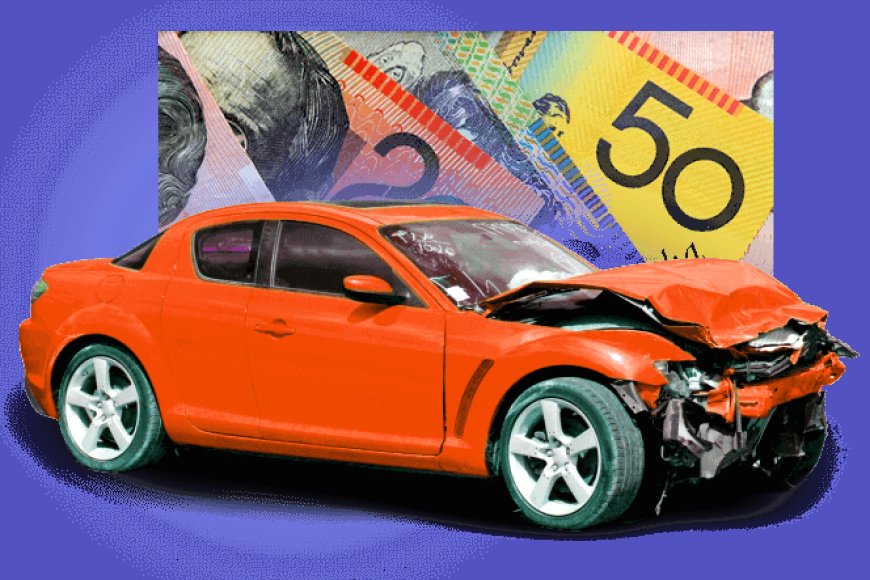
Sometimes, old Japanese cars are not just worn out from age, but also damaged in accidents or storms. In such cases, repairing the vehicle may not be worth the cost. For owners who find themselves in this situation, selling their car for scrap can be a more practical step. If the vehicle is not suitable for resale or repair, using a cash for damaged cars in Sydney service offers a reliable way to have it removed. These services accept damaged vehicles in any condition, which includes old Japanese cars that may have also suffered structural issues or engine failure. This helps owners recover some value while ensuring the vehicle is taken off their property in a legal and environmentally responsible way.
Final Thoughts
Old Japanese vehicles in Sydney often reach a point where keeping them no longer makes sense. Whether it is due to mechanical breakdowns, expired registrations, or damage, car wreckers provide a practical and legal path for removal. Their method includes proper assessment, safe dismantling, recycling of materials, and environmental care. For many vehicle owners, this approach is not only sensible but also contributes to keeping Sydneys streets, backyards, and workshops clear of unwanted cars. The role of wreckers in handling old Japanese cars is a key part of responsible vehicle disposal across New South Wales.