






















How Electric Vehicles Are Reshaping the Automotive Industry
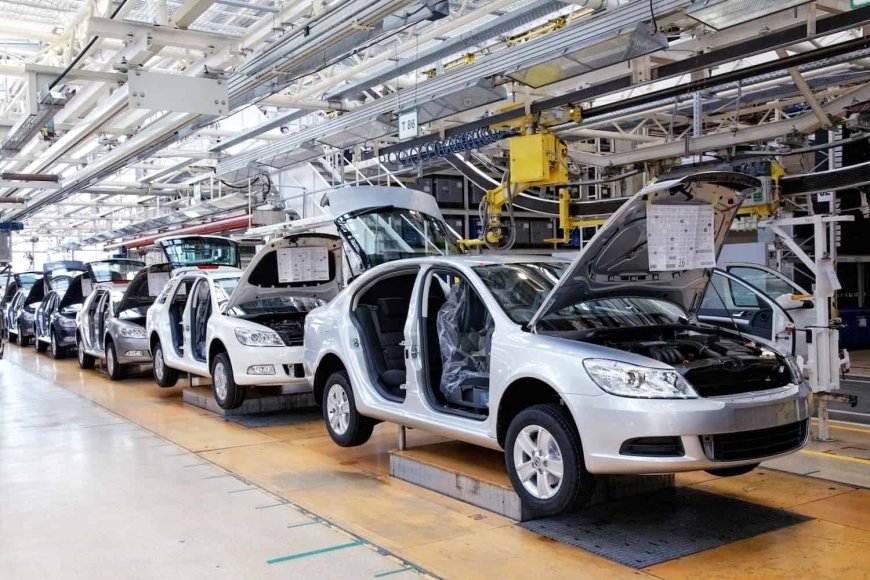
Electric vehicles (EVs) are changing how Australians think about cars. Once considered a niche trend, EVs are now mainstreamimpacting not only what we drive but also how the entire automotive ecosystem operates. From manufacturing to recycling, the rise of EVs is reshaping industry practices, environmental strategies, and consumer habits. This blog explores the key ways EVs are influencing the car industry in Australia today.
EV Manufacturing Shifts the Materials Market
Electric vehicle production requires different raw materials than traditional petrol cars. Lithium, nickel, and cobalt are critical for battery cells, while lightweight metals such as aluminium and copper play a larger role in EV body design. These materials help reduce weight and improve energy efficiency.
As EV manufacturing increases, the demand for specific metals rises, changing how industries source and recycle materials. This demand is also pushing companies to redesign parts for modularity and recyclability, which benefits the wider scrap and recovery industry. In this environment, many people choose to sell metal for cash when older vehicle components or scrap metals can no longer serve their original purpose.
Car Servicing Is Becoming More Software-Based
Traditional vehicles rely heavily on mechanical componentsgearboxes, oil filters, spark plugs. In contrast, EVs have fewer moving parts and rely more on software systems. Diagnostics, maintenance, and even repairs are increasingly done digitally. This change reduces the frequency of services while requiring specialised knowledge and tools.
The impact is significant for service centres and wreckers, who now need to invest in new equipment and training. Battery management, motor testing, and electronic component handling are becoming standard in workshops that once only dealt with engines and axles.
Battery Disposal and Recycling Is a New Priority
Batteries are the core of EV technology, but they come with end-of-life challenges. Australia is preparing for a future wave of used EV batteries, many of which contain materials classified as hazardous waste. Safe disposal is no longer enoughbatteries need to be properly dismantled and recycled to recover valuable components.
To handle this demand, recycling centres are adapting quickly. Theyre introducing safety protocols, automation, and new partnerships to manage large battery volumes. While its still early days, battery reuse and second-life applicationssuch as home energy storageare also emerging in Australia.
Shifts in Consumer Demand and Vehicle Design
EV adoption is also changing what people look for in a car. Range, charging time, and software compatibility are becoming more important than horsepower or engine noise. This trend is driving automakers to rethink vehicle design and onboard technology.
Australian consumers, especially in urban areas, are increasingly choosing compact, energy-efficient EVs over large, fuel-intensive vehicles. This trend is likely to grow as government incentives expand and charging infrastructure improves.
With this shift, vehicle recyclers must now deal with newer materials, sealed systems, and high-voltage components. Companies like Metalbiz Recyclers are adapting to this demand by implementing new safety practices and eco-friendly recovery techniques. Their ability to handle both traditional and electric vehicles makes them a trusted option for responsible car disposal.
The Role of Scrap Metal in the EV Supply Chain
Scrap yards play a key role in supplying recycled metals to the EV industry. Lightweight, high-conductivity metals like aluminium and copper are commonly recovered from old vehicles and fed back into manufacturing.
This circular approach supports Australia's growing focus on sustainability. By reusing existing resources, the industry reduces its reliance on mining and decreases its environmental footprint. For businesses and individuals in places like Ipswich, participating in the recycling economysuch as through Scrap metal Ipswich programssupports both economic and environmental goals.
Government Policies Are Driving Industry Change
Federal and state governments in Australia are introducing policies to accelerate EV uptake. From tax rebates to emissions targets, these measures are pushing automakers and service providers to evolve quickly. The National Electric Vehicle Strategy, introduced in 2023, aims to increase EV adoption through infrastructure, education, and regulation.
These policies create opportunities and challenges. While incentives encourage EV sales, regulations also demand responsible recycling and product stewardship. Car dismantlers and recyclers must now meet strict guidelines for battery storage, fire safety, and metal recovery, ensuring they contribute positively to the industry.
What the Future Looks Like
By 2030, EVs are expected to make up at least 50% of new car sales in Australia. This shift will affect every stage of the vehicle lifecyclefrom how cars are designed to how theyre scrapped. As recycling technology improves, EVs may eventually become easier to dismantle and repurpose than traditional cars.
For businesses and vehicle owners, this evolution offers a chance to take part in a cleaner, more circular economy. The automotive industry is moving toward sustainability, and those who adapt early will benefit most.
FAQs
Can electric vehicle batteries be recycled?
Yes. EV batteries can be recycled to recover metals like lithium, cobalt, and nickel. Special facilities in Australia handle this process safely.
Are EVs easier or harder to repair than regular cars?
Theyre easier in some waysfewer partsbut require specialised tools and training due to complex electrical systems.
How long does an EV battery last?
EV batteries usually last 8 to 15 years, depending on usage, weather, and the type of battery management system used.
Is it safe to dismantle an electric vehicle?
Not without proper training. High-voltage systems pose serious risks, so only certified professionals should dismantle EVs.
How do EVs affect the scrap and metal industry?
They introduce new materials and battery-related recycling needs but also create demand for metals like aluminium and copper.
Explore more topics in our blog section.