




















How to Prepare for Your First Cool Beam Laser Treatment
The Cool Beam system operates on the principle of selective photothermolysis, which means it selectively targets specific chromophores in the skin while leaving surrounding tissue unharmed. The cooling component is what sets this treatment apart from conventional

Understanding Cool Beam Laser Technology
cool beam laser skin resurfacing a revolutionary advancement in non-invasive cosmetic procedures, offering patients an effective solution for various skin concerns without the extensive downtime associated with traditional laser treatments. This innovative technology utilizes a unique cooling mechanism that protects the skin's surface while delivering precise energy to targeted areas beneath the skin.
The Cool Beam system operates on the principle of selective photothermolysis, which means it selectively targets specific chromophores in the skin while leaving surrounding tissue unharmed. The cooling component is what sets this treatment apart from conventional laser procedures. As the laser energy is delivered, a simultaneous cooling spray protects the epidermis, significantly reducing discomfort and minimizing the risk of thermal damage to the skin's surface.
This dual-action approach makes Cool Beam particularly effective for treating conditions such as facial wrinkles, sun damage, age spots, acne scars, and other signs of aging. The treatment works by stimulating collagen production in the deeper layers of the skin while the cooling mechanism ensures patient comfort throughout the procedure.
Understanding how this technology works is crucial for proper preparation. The laser penetrates to specific depths depending on the treatment area and concern being addressed. For wrinkle reduction, the energy targets the dermis to stimulate new collagen formation. For pigmentation issues, the laser focuses on melanin deposits to break them down for natural elimination by the body's lymphatic system.
The cooling technology not only enhances comfort but also allows for more aggressive treatment parameters to be used safely. This means potentially better results with fewer sessions compared to traditional laser treatments. However, this advanced technology requires specific preparation protocols to ensure optimal outcomes and minimize any potential complications.
Initial Consultation and Assessment
Your journey with Cool Beam laser treatment begins with a comprehensive consultation with a qualified dermatologist or cosmetic surgeon. This initial meeting is far more than a simple discussion about your aesthetic goals; it's a thorough evaluation of your skin, medical history, and suitability for the treatment.
During this consultation, your practitioner will conduct a detailed skin analysis using specialized equipment that may include dermoscopy or other diagnostic tools. They'll assess your skin type according to the Fitzpatrick scale, which categorizes skin based on its reaction to sun exposure. This classification is crucial because it determines the appropriate laser settings and helps predict how your skin will respond to treatment.
The consultation will also involve a comprehensive review of your medical history. Your practitioner needs to know about any medications you're currently taking, previous cosmetic procedures, allergies, and underlying health conditions. Certain medications, particularly those that increase photosensitivity, may need to be adjusted or temporarily discontinued before treatment.
Your practitioner will also discuss your specific concerns and aesthetic goals. Whether you're seeking to address fine lines, sun damage, acne scars, or overall skin texture improvement, understanding your expectations is essential for creating a customized treatment plan. They'll explain what Cool Beam can realistically achieve for your particular situation and may suggest alternative or complementary treatments if necessary.
During this consultation, you'll receive detailed information about the treatment process, including the number of sessions likely needed, the interval between treatments, and the expected timeline for seeing results. Most patients require multiple sessions spaced several weeks apart to achieve optimal results.
The consultation is also an opportunity for you to ask questions about the procedure, discuss any concerns, and understand the associated costs. A reputable practitioner will provide you with detailed written information about the treatment, including pre and post-care instructions, and will never pressure you to make an immediate decision.
Pre-Treatment Preparation Guidelines
Proper preparation for your Cool Beam laser treatment is essential for achieving the best possible results while minimizing the risk of complications. The preparation process typically begins several weeks before your scheduled treatment date and involves various lifestyle modifications and skincare adjustments.
Sun protection is perhaps the most critical aspect of pre-treatment preparation. You must avoid excessive sun exposure and tanning for at least four to six weeks before your treatment. This includes avoiding natural sunlight, tanning beds, and self-tanning products. Sun-damaged or tanned skin is more susceptible to complications such as hyperpigmentation or hypopigmentation following laser treatment.
If you have a history of cold sores or herpes simplex virus around the treatment area, your practitioner may prescribe antiviral medication to be taken before and after the procedure. This prophylactic treatment helps prevent viral reactivation that can occur following laser treatments in sensitive individuals.
Certain skincare products and treatments should be discontinued in the weeks leading up to your Cool Beam session. Retinoids, alpha-hydroxy acids, beta-hydroxy acids, and other exfoliating agents should typically be stopped one to two weeks before treatment. These products can increase skin sensitivity and may interfere with the healing process.
Professional skincare treatments such as chemical peels, microdermabrasion, or other laser procedures should be avoided for several weeks before Cool Beam treatment. Your skin needs time to fully recover from these procedures before undergoing laser treatment.
Hydration plays a crucial role in treatment preparation. Well-hydrated skin responds better to laser treatment and heals more efficiently. Begin increasing your water intake and using gentle, moisturizing skincare products several weeks before your appointment.
If you're prone to keloid scarring or have a history of abnormal wound healing, inform your practitioner during the consultation. Additional preparation measures may be necessary to minimize these risks.
What to Expect During Your Treatment
Understanding what happens during your Cool Beam laser treatment can help alleviate anxiety and ensure you're properly prepared for the experience. The treatment process is generally straightforward, but knowing what to expect can help you feel more comfortable and confident.
On the day of your treatment, arrive with clean skin free of makeup, moisturizers, or other topical products. Your practitioner will cleanse the treatment area and may apply a topical anesthetic if deemed necessary, although many patients find the Cool Beam's cooling mechanism provides sufficient comfort during the procedure.
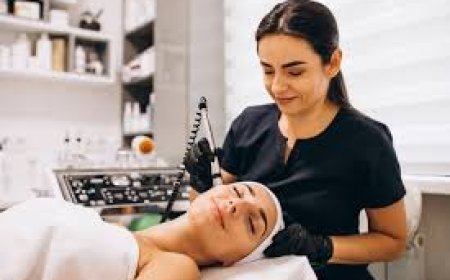
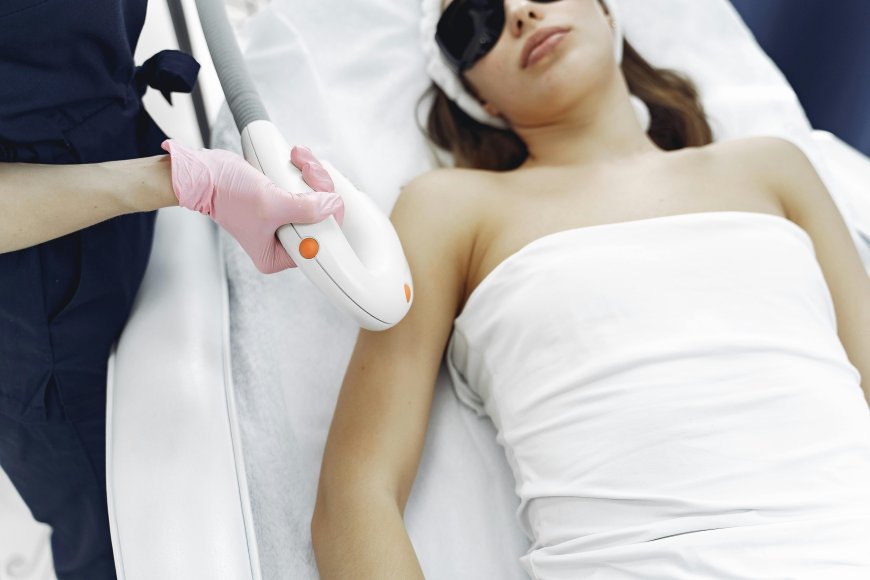
The treatment begins with your practitioner adjusting the laser settings based on your skin type, the area being treated, and your specific concerns. Eye protection will be provided to shield your eyes from the laser light. The Cool Beam handpiece will then be moved systematically across the treatment area.
During the procedure, you'll feel the cooling spray followed immediately by the laser pulse. Most patients describe the sensation as a slight stinging or snapping feeling, similar to a rubber band snapping against the skin, followed by a cooling sensation. The cooling mechanism operates continuously during treatment, providing immediate relief and protection.
The duration of your treatment depends on the size of the area being treated. Facial treatments typically take between 15 to 30 minutes, while larger areas may require up to an hour. Your practitioner will work methodically to ensure even coverage while monitoring your comfort level throughout the procedure.
After the laser treatment is complete, your practitioner may apply a soothing gel or moisturizer to the treated area. They'll also provide you with specific post-treatment care instructions and may schedule your next appointment if multiple sessions are planned.
Some patients experience mild redness or swelling immediately after treatment, which is normal and typically subsides within a few hours. Your practitioner will assess your skin's response and may recommend specific aftercare products or medications if needed.
Post-Treatment Care and Recovery
The success of your Cool Beam laser treatment depends significantly on how well you follow post-treatment care instructions. Proper aftercare not only optimizes your results but also minimizes the risk of complications and ensures smooth healing.
Immediately after treatment, your skin may appear red and feel warm, similar to a mild sunburn. This is a normal response and typically resolves within 24 to 48 hours. Some patients may experience mild swelling, particularly around the eye area if facial treatment was performed.
Sun protection becomes even more critical after treatment. Your skin will be more sensitive to UV radiation for several weeks following the procedure. Use a broad-spectrum sunscreen with at least SPF 30 daily, even when indoors, as UV rays can penetrate windows. Avoid direct sun exposure when possible and wear protective clothing and wide-brimmed hats when outdoors.
Gentle skincare is essential during the recovery period. Use mild, fragrance-free cleansers and moisturizers to keep the skin hydrated without causing irritation. Avoid scrubbing or using rough washcloths on the treated area. Pat the skin dry gently rather than rubbing.
Avoid certain activities and products during the initial recovery period. Swimming in chlorinated pools, hot tubs, or saunas should be avoided for at least 48 hours post-treatment. These environments can increase the risk of infection and may cause excessive irritation to the treated skin.
Makeup can typically be applied 24 hours after treatment, provided the skin has calmed down and there's no active irritation. Choose mineral-based makeup products that are less likely to cause irritation and remove them gently at the end of the day.
Your skin may begin to peel or flake slightly in the days following treatment, particularly if pigmentation issues were addressed. This is a normal part of the healing process and indicates that damaged skin cells are being shed. Resist the urge to pick or peel the skin, as this can lead to scarring or infection.
Managing Side Effects and Complications
While Cool Beam laser treatment is generally safe and well-tolerated, understanding potential side effects and how to manage them is crucial for a successful treatment experience. Most side effects are mild and temporary, resolving on their own within a few days to weeks.
Common side effects include temporary redness, swelling, and mild discomfort at the treatment site. These typically peak within the first 24 hours and gradually subside. Applying cool compresses or ice packs wrapped in a clean cloth can help reduce swelling and provide comfort. Over-the-counter pain relievers such as ibuprofen can help manage any discomfort while also reducing inflammation.
Some patients may experience temporary hyperpigmentation or darkening of the treated area, particularly those with darker skin tones. This usually resolves within several weeks to months as the skin naturally renews itself. Consistent sun protection is crucial during this period to prevent further pigmentation changes.
Conversely, temporary hypopigmentation or lightening of the skin may occur, though this is less common with Cool Beam technology due to its cooling mechanism. This side effect typically resolves as the skin heals and regenerates.
In rare cases, patients may develop blistering or crusting at the treatment site. If this occurs, it's important to keep the area clean and dry while avoiding picking or scratching. Contact your practitioner immediately if you notice signs of infection such as increased redness, warmth, pus, or red streaking from the treatment area.
Allergic reactions to topical products used during or after treatment are possible but uncommon. If you experience severe itching, rash, or difficulty breathing, seek immediate medical attention.
To minimize the risk of complications, follow all pre and post-treatment instructions carefully. Maintain good hygiene, avoid touching the treated area unnecessarily, and contact your practitioner if you have any concerns about your healing progress.
Lifestyle Modifications Before Treatment
Preparing for Cool Beam laser treatment involves more than just skincare adjustments; certain lifestyle modifications can significantly impact your treatment outcomes and recovery process. These changes should ideally begin several weeks before your scheduled appointment.
Smoking cessation is crucial for optimal healing and treatment results. Smoking impairs blood circulation and delays wound healing, which can negatively affect how your skin responds to laser treatment. If you smoke, consider quitting or at least reducing your tobacco use for several weeks before and after treatment.
Alcohol consumption should be moderated in the days leading up to your treatment. Alcohol can increase inflammation and may interfere with your skin's healing process. Additionally, alcohol can thin the blood, potentially increasing the risk of bruising or bleeding during treatment.
Maintain a healthy diet rich in vitamins and antioxidants to support skin health and healing. Foods high in vitamin C, vitamin E, and omega-3 fatty acids can help promote faster healing and better treatment outcomes. Consider incorporating foods such as citrus fruits, leafy greens, nuts, and fatty fish into your diet.
Exercise routines may need to be adjusted both before and after treatment. While regular exercise is beneficial for overall health and circulation, intense workouts should be avoided for 24 to 48 hours after treatment to prevent excessive sweating and potential irritation to the treated area.
Sleep quality and stress management are often overlooked but important factors in treatment preparation. Adequate sleep and stress reduction support your body's natural healing processes and can improve your overall treatment experience.
Hydration remains consistently important throughout the preparation and recovery periods. Proper hydration supports skin health and can help minimize side effects while promoting optimal healing.
Medication and Supplement Considerations
Your medication and supplement regimen may need adjustments before Cool Beam laser treatment to ensure safety and optimal results. Always consult with your practitioner about any medications or supplements you're taking, as some can increase photosensitivity or interfere with healing.
Certain medications can make your skin more sensitive to laser treatment. Antibiotics such as tetracycline, doxycycline, and fluoroquinolones can increase photosensitivity and should typically be avoided for several weeks before treatment. If you're taking these medications for a medical condition, discuss alternatives with your prescribing physician.
Topical retinoids, including prescription tretinoin and over-the-counter retinol products, should be discontinued at least one week before treatment. These products increase skin sensitivity and can lead to excessive irritation when combined with laser treatment.
Blood-thinning medications such as aspirin, warfarin, or clopidogrel may increase the risk of bruising or bleeding during treatment. However, these medications are often prescribed for serious medical conditions, so never discontinue them without consulting your prescribing physician first.
Certain supplements can also affect treatment outcomes. Vitamin E supplements, fish oil, and herbal supplements such as ginkgo biloba, garlic, and ginseng can increase bleeding risk and should typically be stopped one to two weeks before treatment.
Photosensitizing medications, including some antidepressants, diuretics, and anti-inflammatory drugs, can increase your skin's sensitivity to laser treatment. Your practitioner will review your complete medication list and advise you on any necessary adjustments.
If you have a history of cold sores or herpes simplex virus, your practitioner may prescribe prophylactic antiviral medication to prevent outbreak following treatment. This is particularly important for treatments around the mouth area.
Skin Care Routine Adjustments
Modifying your skincare routine before Cool Beam laser treatment is essential for preparing your skin and minimizing potential complications. These adjustments should begin several weeks before your scheduled appointment and continue through the recovery period.
Gentle cleansing becomes the foundation of your pre-treatment skincare routine. Switch to a mild, fragrance-free cleanser that won't irritate or over-dry your skin. Avoid cleansers containing alpha-hydroxy acids, beta-hydroxy acids, or other active ingredients that can increase skin sensitivity.
Moisturizing becomes even more important in the weeks leading up to treatment. Well-hydrated skin responds better to laser treatment and heals more efficiently. Choose fragrance-free, hypoallergenic moisturizers that are appropriate for your skin type.
Exfoliation should be completely avoided in the two weeks before treatment. This includes physical exfoliants such as scrubs and brushes, as well as chemical exfoliants such as glycolic acid, salicylic acid, and enzyme treatments. These products can increase skin sensitivity and may interfere with treatment outcomes.
Active ingredients in skincare products require careful consideration. Retinoids, vitamin C serums, and other potent active ingredients should be discontinued or used with caution in the weeks before treatment. Your practitioner will provide specific guidance based on your current routine and skin type.
Sun protection should be intensified as part of your pre-treatment routine. Use a broad-spectrum sunscreen with at least SPF 30 daily, and consider using additional protective measures such as wide-brimmed hats and UV-protective clothing.
If you use prescription skincare medications such as topical antibiotics or corticosteroids, discuss their use with your practitioner. Some may need to be temporarily discontinued, while others may be beneficial for preparing your skin for treatment.
Mental and Emotional Preparation
Preparing mentally and emotionally for your Cool Beam laser treatment is just as important as the physical preparation. Having realistic expectations and understanding the process can significantly improve your treatment experience and satisfaction with results.
Setting realistic expectations is crucial for treatment satisfaction. While Cool Beam laser can provide significant improvements in skin texture, tone, and appearance, it's not a magic solution that will completely transform your skin overnight. Discuss your specific goals with your practitioner and understand what results are realistically achievable for your particular situation.
Understanding the treatment timeline helps manage expectations and reduces anxiety. Most patients require multiple sessions spaced several weeks apart to achieve optimal results. Initial improvements may be visible within a few weeks, but maximum results typically develop over several months as collagen production increases and skin renewal occurs.
Anxiety about the procedure is completely normal and understandable. If you feel anxious about the treatment, discuss your concerns with your practitioner. They can provide additional information about the procedure, show you the equipment, and explain each step of the process to help you feel more comfortable.
Consider the recovery period and plan accordingly. While Cool Beam typically has minimal downtime, you may experience some redness, swelling, or other side effects that could affect your daily activities or appearance. Plan your treatment schedule around important events or commitments.
Having a support system can be beneficial during the treatment and recovery process. Whether it's family, friends, or online communities, having people to share your experience with can provide emotional support and practical advice.
Research your practitioner and facility thoroughly to build confidence in your choice. Understanding their qualifications, experience, and approach to patient care can help alleviate anxiety and ensure you're in capable hands.
Follow-up Appointments and Maintenance
Cool Beam laser treatment typically requires multiple sessions to achieve optimal results, making follow-up appointments an integral part of your treatment plan. Understanding the importance of these appointments and what they involve helps ensure you get the best possible outcomes from your investment.
The number of follow-up sessions needed varies depending on your specific concerns, skin type, and treatment goals. Most patients require between three to six sessions spaced four to six weeks apart. Your practitioner will develop a customized treatment plan based on your individual needs and how your skin responds to the initial treatment.
During follow-up appointments, your practitioner will assess your skin's response to the previous treatment and adjust the laser settings accordingly. They may increase the intensity if your skin tolerated the previous session well, or modify the approach if any concerns arose.
Progress documentation is an important aspect of follow-up care. Your practitioner may take photographs to track your improvement over time. These images help assess the effectiveness of the treatment and make any necessary adjustments to your treatment plan.
Follow-up appointments also provide an opportunity to address any concerns or questions that may have arisen since your last treatment. Your practitioner can provide additional guidance on skincare routines, sun protection, or other aspects of your recovery.
Between treatments, maintaining the results requires ongoing care and attention. This includes consistent sun protection, gentle skincare routines, and possibly incorporating specific products recommended by your practitioner to enhance and maintain your results.
Long-term maintenance may involve periodic touch-up treatments to maintain your results over time. The frequency of these maintenance sessions varies among individuals and depends on factors such as age, skin type, sun exposure, and lifestyle factors.
Frequently Asked Questions
How painful is Cool Beam laser treatment?
Cool Beam laser treatment is generally well-tolerated due to its integrated cooling system. Most patients describe the sensation as similar to a rubber band snapping against the skin, followed immediately by a cooling sensation. The cooling mechanism significantly reduces discomfort compared to traditional laser treatments. Some areas may be more sensitive than others, but the pain is typically mild and brief.
How long does it take to see results from Cool Beam treatment?
Initial results may be visible within a few weeks after treatment as your skin begins to heal and regenerate. However, the most significant improvements typically develop over several months as new collagen forms and skin renewal occurs. Maximum results are usually seen three to six months after completing the full treatment series.
Can I wear makeup after Cool Beam treatment?
You can typically apply makeup 24 hours after treatment, provided your skin has calmed down and there's no active irritation. Choose mineral-based makeup products that are less likely to cause irritation, and remove them gently at the end of the day. Avoid makeup immediately after treatment to allow your skin to breathe and begin the healing process.
How many treatments will I need?
The number of treatments varies depending on your specific concerns, skin type, and desired results. Most patients require between three to six sessions spaced four to six weeks apart. Your practitioner will assess your skin during the initial consultation and develop a customized treatment plan based on your individual needs.
Are there any long-term side effects?
Cool Beam laser treatment has an excellent safety profile with minimal long-term side effects when performed by qualified practitioners. The most common long-term consideration is the potential for permanent changes in skin pigmentation, though this is rare with proper pre and post-treatment care. Following all instructions and maintaining sun protection significantly reduces the risk of complications.
Can I exercise after Cool Beam treatment?
Light exercise can typically be resumed 24 hours after treatment, but intense workouts should be avoided for 48 hours. Excessive sweating can irritate the treated skin and potentially increase the risk of complications. When you do return to exercise, ensure you cleanse your skin gently afterward and avoid prolonged sun exposure.
What's the difference between Cool Beam and other laser treatments?
Cool Beam's primary advantage is its integrated cooling system, which protects the skin's surface while delivering energy to deeper layers. This allows for more comfortable treatment and potentially better results with less risk of surface damage. The cooling mechanism also enables more aggressive treatment parameters to be used safely.
How should I prepare my skin before treatment?
Preparation involves avoiding sun exposure, discontinuing certain skincare products, and following specific guidelines provided by your practitioner. Generally, you should stop using retinoids and exfoliating products one to two weeks before treatment, avoid excessive sun exposure for four to six weeks, and maintain good hydration and skincare routines.
Can Cool Beam treat all skin types?
cool beam laser skin resurfacing near me can be safely used on most skin types, but treatment parameters may need to be adjusted based on your specific skin characteristics. Darker skin tones may require more conservative settings and additional precautions to prevent pigmentation changes. Your practitioner will assess your skin type during the consultation and determine the most appropriate treatment approach.
What should I do if I experience unusual side effects?
Contact your practitioner immediately if you experience severe pain, signs of infection, excessive blistering, or any other concerning symptoms. While serious complications are rare, prompt medical attention can help address any issues quickly and effectively. Most side effects are mild and temporary, but it's always better to err on the side of caution and seek professional advice when concerned.