






















Importance of an Ergonomic Chair in the Modern Workplace

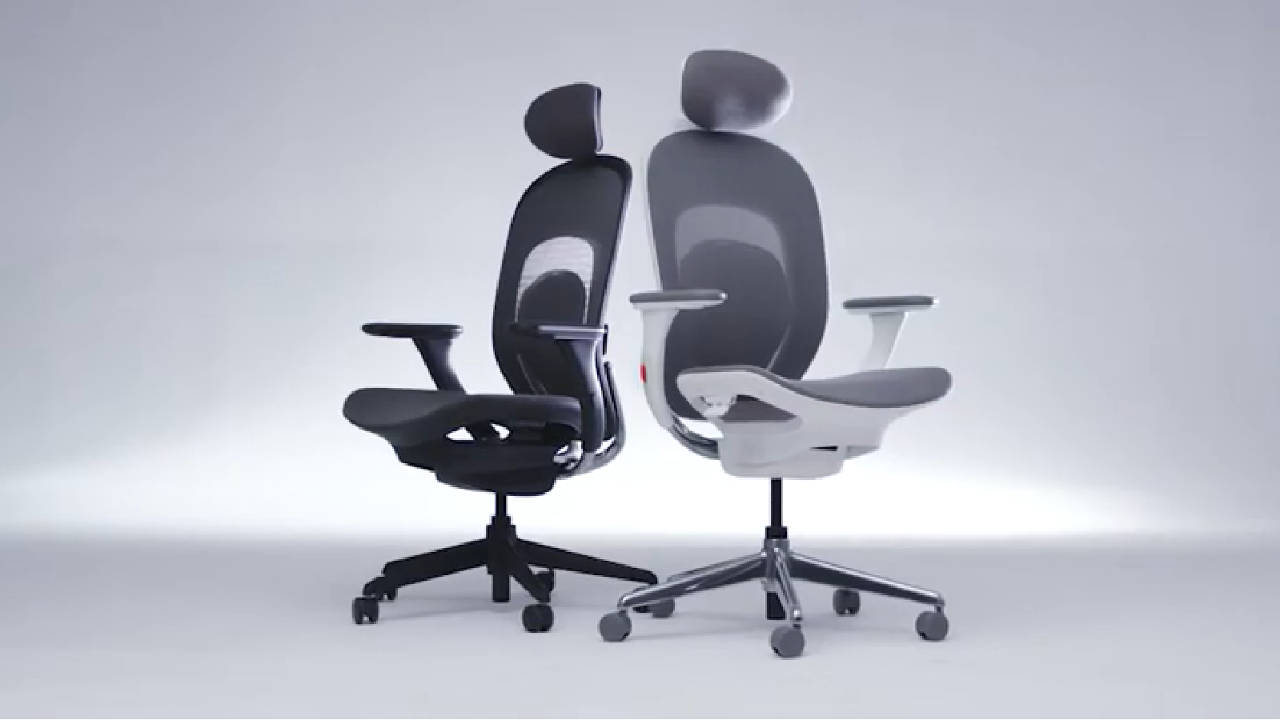
The modern workplace has undergone a significant transformation, especially with the growing shift towards digital and hybrid work environments. As professionals spend more hours at their desks, the need for proper seating solutions has become more crucial than ever. Among the various types of office furniture available, the ergonomic chair has emerged as a game-changer for employee wellness and productivity. These chairs are not just about comfortthey are scientifically designed to support the natural posture of the human body and reduce strain on muscles and joints. An ergonomic chair provides adequate lumbar support, adjustable armrests, and height settings, making it suitable for a diverse range of users. This adaptability helps mitigate common work-related injuries like back pain, neck stiffness, and poor blood circulation, all of which can severely affect an employees focus and performance. Investing in ergonomic seating is no longer just an option for companies; it has become a necessity for sustaining long-term workforce health.
Boosting Productivity Through Ergonomic Seating
Employees perform best when they are comfortable and physically supported during their workday. One of the key benefits of an ergonomic chair is that it directly contributes to improved concentration and productivity. When people sit on standard or poorly designed chairs for prolonged periods, they often experience discomfort, which leads to frequent breaks, fidgeting, and even absenteeism. In contrast, an ergonomic chair promotes a balanced posture, allowing users to sit for longer stretches without feeling fatigued. The chairs adjustable features also cater to individual preferences, allowing users to customize their seating to achieve maximum comfort. With the correct posture, blood flow remains optimal, energy levels remain steady, and the risk of repetitive stress injuries is significantly reduced. All of these advantages combine to create a conducive work environment where employees can focus on their tasks with greater efficiency and fewer interruptions.
Key Features of a High-Quality Ergonomic Chair
A high-quality ergonomic chair is defined by a combination of features that prioritize both comfort and support. Firstly, lumbar support is a non-negotiable aspect. The chair must offer adjustable lumbar padding that conforms to the natural curvature of the lower back. This helps maintain the spines natural "S" shape and prevents slouching. Secondly, seat height adjustability is essential to ensure that the users feet rest flat on the floor, with thighs parallel to the ground. This alignment promotes better posture and reduces pressure on the knees. Another important feature is the seat depth adjustment, allowing users to sit with their backs against the backrest while maintaining a two to three-finger gap between the seat and the back of the knees. Additionally, a good ergonomic chair should include adjustable armrests that support the arms comfortably, reducing tension in the shoulders and neck. A swivel base and smooth-rolling casters enhance mobility, while breathable materials such as mesh backrests help with temperature regulation during extended use. All of these components work together to provide a comprehensive seating experience that supports overall wellbeing.
How an Ergonomic Chair Enhances Employee Wellness
Workplace wellness has become a major concern for companies aiming to retain top talent and reduce healthcare costs. One of the most overlooked contributors to employee wellness is seating. A poorly designed chair can cause or exacerbate a range of musculoskeletal problems, including chronic back pain, neck stiffness, and carpal tunnel syndrome. Over time, these issues lead to increased sick leave and decreased employee morale. An ergonomic chair, however, serves as a preventive measure. By offering dynamic support, it promotes healthy posture and movement throughout the day. Many ergonomic chairs also encourage micro-movementssmall shifts in seating position that enhance circulation and muscle engagement. This not only improves physical health but also boosts mental clarity and focus. For remote workers and office staff alike, switching to ergonomic furniture is a tangible way to prioritize self-care in the work environment. Its a simple but powerful tool in the broader strategy of fostering a culture of health and performance.
Choosing the Right Ergonomic Chair for Your Workspace
With a wide variety of ergonomic chairs available in the market, choosing the right one can be overwhelming. When selecting an ergonomic chair, start by identifying your specific needs based on how long you sit, your body type, and your workspace layout. Look for chairs that offer a wide range of adjustmentsnot just in height and armrests, but also in seat tilt, lumbar support, and recline tension. It's also important to test the chair if possible, to ensure it feels supportive and suits your posture. Consider the material as well; mesh backrests offer breathability, while memory foam cushions provide plush comfort. Additionally, aesthetics should not be ignored. A well-designed chair that complements your office dcor can enhance your workspace ambiance, making it a more pleasant place to spend time. For businesses, investing in high-quality ergonomic seating sends a clear message: that employee health and satisfaction are top priorities. Ultimately, the right ergonomic chair should feel like an extension of your bodyintuitive, comfortable, and supportive throughout the day.
The Long-Term ROI of Ergonomic Investments
Some may argue that ergonomic chairs come with a higher price tag compared to standard office chairs. However, when viewed through the lens of long-term return on investment, the cost is easily justified. Studies have shown that businesses that prioritize ergonomic solutions see a reduction in worker compensation claims and absenteeism. Employees with the proper seating equipment experience less discomfort, are more engaged, and tend to stay with their employer longer. The upfront investment in ergonomic furniture pays off through increased productivity, higher employee retention, and fewer health-related disruptions. For startups and SMEs, offering ergonomic seating can be a competitive advantage in attracting and retaining talent. Additionally, for individuals working from home, an ergonomic chair is a smart personal investment in health and comfort. The cost of one high-quality chair can potentially save thousands in future medical bills and lost work time. With a growing emphasis on health, wellness, and work-life integration, ergonomic furniture is not just a trendits a sustainable solution.
Conclusion
In conclusion, an ergonomic chair is more than just an office accessoryit is a cornerstone of modern workplace design and employee wellness. As more companies and professionals understand the direct link between physical comfort and productivity, ergonomic seating has become essential in both corporate offices and home workstations. From enhancing posture and reducing pain to boosting focus and morale, the benefits of using an ergonomic chair are numerous and well-documented. When thoughtfully selected and properly used, it has the power to transform the way people work, feel, and perform. For businesses looking to make informed, health-conscious decisions, partnering with a trusted provider like office furniture supplier Philippines ensures access to top-quality ergonomic solutions that truly make a difference.