






















Struggling with Nerve Pain? Gabapentin 300 mg vs 800 mg Might Be the Answer
Struggling with nerve pain? Discover how Gabapentin 300 mg and 800 mg help manage neuropathy symptoms and which dose might be right for you.

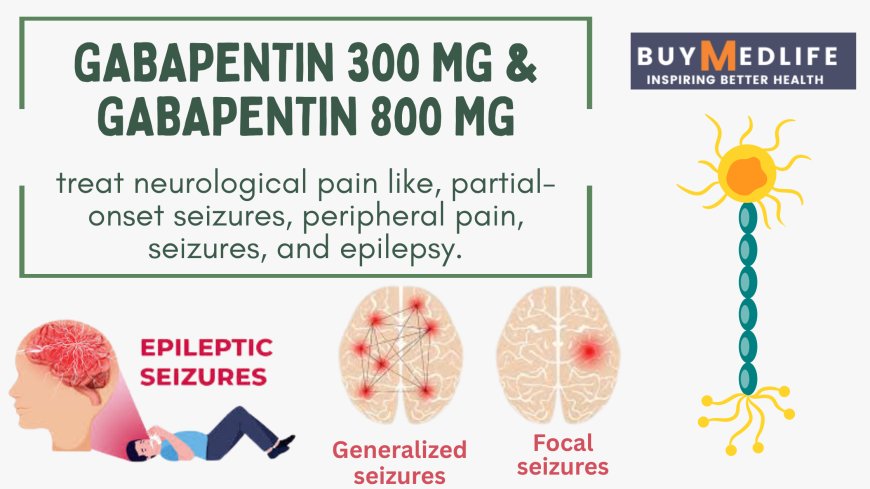
Nerve pain, or neuropathic pain, is a debilitating condition that can drastically reduce your quality of life. Whether caused by diabetes, shingles, spinal injuries, or nerve damage, this type of pain often doesnt respond well to traditional painkillers. Thats where Gabapentin 300 mg and Gabapentin 800 mg come intwo common strengths of a medication frequently prescribed to treat nerve pain and other neurological conditions.
In this blog, well explore how Gabapentin 300 mg and Gabapentin 800 mg work, how they differ, and how they might help you manage chronic nerve pain more effectively.
What Is Gabapentin?
Gabapentin is an anticonvulsant medication originally developed to treat epilepsy. Over time, researchers discovered that it also works exceptionally well for treating nerve-related pain. It affects the way nerves send messages to your brain, helping to calm overactive nerve signals that cause pain, tingling, or burning sensations.
Gabapentin is commonly prescribed in varying strengths, including Gabapentin 300 mg and Gabapentin 800 mg, depending on the severity of your symptoms and how your body responds to the drug.
Gabapentin 300 mg: Ideal for Mild to Moderate Symptoms
Gabapentin 300 mg is often the starting dose for individuals new to the medication. It provides gentle, gradual relief and is suitable for:
-
Early-stage neuropathy
-
Mild to moderate nerve pain
-
Individuals sensitive to higher doses
-
Patients who are titrating up to a higher dose
Starting with 300 mg allows your body to adjust to the medication, reducing the likelihood of side effects such as dizziness, drowsiness, or nausea. For many people, this dose is sufficient to manage everyday nerve discomfort without feeling overly sedated.
Gabapentin 800 mg: For Moderate to Severe Cases
If your nerve pain is severe or doesnt respond to lower doses, your doctor may prescribe Gabapentin 800 mg. This higher dose offers stronger pain relief and is often used in cases such as:
-
Diabetic neuropathy with intense symptoms
-
Postherpetic neuralgia (shingles-related nerve pain)
-
Spinal cord injury-related nerve issues
-
Chronic nerve pain with no relief from standard treatments
Gabapentin 800 mg is typically introduced gradually. Most treatment plans start with lower doses like Gabapentin 300 mg and slowly increase to 800 mg to prevent side effects and ensure effectiveness.
How Do Gabapentin 300 mg and 800 mg Differ?
While the core medication remains the same, the primary difference between Gabapentin 300 mg and Gabapentin 800 mg lies in their strength and how your body responds:
| Feature | Gabapentin 300 mg | Gabapentin 800 mg |
|---|---|---|
| Use | Mild to moderate nerve pain | Moderate to severe nerve pain |
| Onset | Slower relief | Stronger, faster relief |
| Side Effects | Lower risk | Higher risk if not adjusted slowly |
| Dosage Flexibility | Easier to titrate | May require closer monitoring |
Choosing between the two should always be done under medical supervision. Your doctor will consider factors such as your age, weight, kidney function, and pain severity.
Side Effects to Watch For
Both Gabapentin 300 mg and Gabapentin 800 mg can cause side effects, especially if taken incorrectly or suddenly stopped. Common side effects include:
-
Drowsiness
-
Dizziness
-
Fatigue
-
Blurred vision
-
Swelling in hands or feet
These effects usually subside as your body adjusts to the medication. However, if symptoms worsen or interfere with your daily life, speak with your healthcare provider immediately.
Tips for Taking Gabapentin Safely
-
Start low and go slow. Your doctor may begin with Gabapentin 300 mg and gradually increase the dose.
-
Never skip or abruptly stop. Sudden withdrawal can cause serious issues, especially if youre on Gabapentin 800 mg.
-
Stay consistent. Take your dose at the same time each day for the best results.
-
Avoid alcohol while on Gabapentin, as it may increase side effects like dizziness and drowsiness.
Final Thoughts
If you're struggling with nerve pain that just wont go away, Gabapentin might be the answer. Whether you start with Gabapentin 300 mg or require the more potent Gabapentin 800 mg, this medication offers real hope for managing the chronic discomfort that comes with neuropathy.
Always consult your doctor before starting or changing your dosage, and never self-medicate. With the right approach, Gabapentin can help you regain control over your lifepain-free and focused on what truly matters.