






















The Evolution of Motor Car Engines: From Carburetors to Turbocharged Hybrids
Explore the evolution of motor car engines from carburetors to turbocharged hybrids, highlighting key innovations that shaped today’s automotive performance.

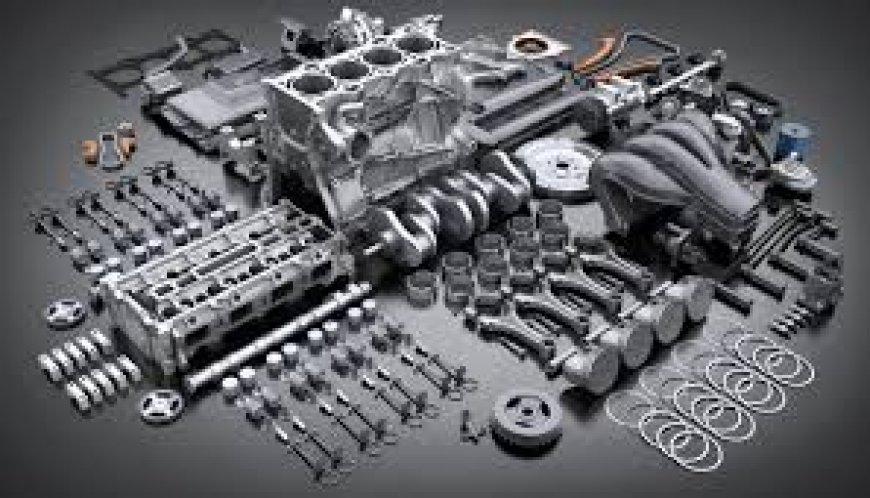
The journey of motor car engines reflects over a century of relentless innovation. What started as a simple internal combustion mechanism with limited power and efficiency has transformed into a technologically advanced, eco-conscious, and high-performing machine. From the early days of carburetors to the era of turbocharged hybrids, the evolution of engines is not just about horsepowerit's about adaptability, environmental responsibility, and a passion for engineering excellence.
1. The Birth of the Internal Combustion Engine
The late 19th century witnessed the birth of the internal combustion engine (ICE), thanks to inventors like Nikolaus Otto, who developed the four-stroke engine in 1876. This engine became the foundation for early automobiles. These engines were simple, noisy, and inefficient by todays standards, yet revolutionary for their time.
Key characteristics of early engines included:
-
Low compression ratios
-
Rudimentary ignition systems
-
Limited fuel efficiency
-
Hand-cranked starters
These engines relied heavily on carburetors, which mixed air and fuel in approximate ratios and were controlled by basic mechanical systems. This marked the first step toward motorized transport accessibility.
2. The Era of Carburetors (1900s 1980s)
Carburetors remained the dominant fuel delivery system for most of the 20th century. They were affordable, relatively easy to repair, and well-suited to the mechanical simplicity of early vehicles.
Pros of Carburetors:
-
Easy to manufacture and maintain
-
Simple mechanical operation
-
No electronics required
Cons of Carburetors:
-
Poor fuel-air mixture control at different altitudes
-
Limited efficiency and inconsistent performance
-
High emissions
Despite their limitations, carburetors powered the worlds most iconic vehicles, from the Ford Model T to muscle cars like the Chevrolet Camaro and Mustang.
3. The Advent of Fuel Injection (1950s 2000s)
As the need for more efficient, reliable, and powerful engines grew, fuel injection systems began to replace carburetors. Initially used in aviation and motorsports, electronic fuel injection (EFI) slowly became mainstream by the 1980s and 1990s.
How Fuel Injection Changed the Game:
-
Precise fuel-air mixture regulated by electronic control units (ECUs)
-
Better fuel economy and throttle response
-
Lower emissions, helping automakers meet new environmental regulations
Fuel injection systems led to:
-
Quicker engine starts
-
More consistent performance across temperature and altitude changes
-
Improved reliability and engine lifespan
By the 2000s, almost all passenger cars had adopted fuel injection, signaling the end of the carburetor era.
4. The Rise of Turbocharging
The concept of turbocharging isnt newit has been around since the early 20th centurybut its widespread use in mainstream cars began gaining traction in the 1980s and exploded in popularity in the 2000s and 2010s.
A turbocharger uses exhaust gases to spin a turbine that compresses incoming air, allowing the engine to burn more fuel and produce more power without increasing engine size.
Benefits of Turbocharged Engines:
-
Increased power output from smaller engines (downsizing)
-
Improved fuel efficiency
-
Lower emissions when paired with smaller engine blocks
Manufacturers began creating turbocharged 4-cylinder engines to replace heavier V6s or V8s, making vehicles lighter and more efficient without sacrificing performance. Notable turbocharged vehicles include the Volkswagen Golf GTI, Ford EcoBoost models, and BMW TwinPower Turbo engines.
5. Variable Valve Timing and Direct Injection
In the quest for even greater efficiency and performance, automakers began implementing Variable Valve Timing (VVT) and Direct Injection (DI) technologies.
-
VVT allows an engine to change the timing of valve opening and closing, optimizing performance and fuel economy based on engine load and RPM.
-
Direct Injection delivers fuel straight into the combustion chamber, leading to:
-
Increased power
-
Reduced fuel consumption
-
Lower emissions
-
These systems have become common in modern cars, helping to bridge the gap between traditional engines and newer hybrid powertrains.
6. The Hybrid Revolution
Introduced commercially by Toyota Prius in the late 1990s, hybrid engines combine a conventional gasoline engine with one or more electric motors. This approach allows vehicles to:
-
Operate in electric-only mode at low speeds
-
Regenerate energy through braking
-
Optimize fuel use during cruising and acceleration
Types of Hybrid Systems:
-
Mild Hybrids Assist the engine but cannot run on electricity alone (e.g., Honda Insight).
-
Full Hybrids Can operate on engine, battery, or both (e.g., Toyota Prius).
-
Plug-in Hybrids (PHEVs) Can be charged externally for extended electric-only range (e.g., Chevrolet Volt).
Hybrid engines offer impressive efficiency, making them especially popular among environmentally conscious consumers and urban commuters.
7. The Emergence of Turbocharged Hybrids
As manufacturers sought to blend performance with sustainability, the turbocharged hybrid emergeda powerful yet efficient engine configuration used in performance and luxury vehicles.
What Makes Turbo-Hybrids Unique:
-
Combine the torque and efficiency of electric motors with the power of a turbocharged engine
-
Offer seamless acceleration, often outperforming traditional combustion engines
-
Allow for better fuel economy under various driving conditions
Notable examples include:
-
Honda Accord Hybrid
-
Volvo T8 Recharge
-
Ferrari SF90 Stradale (plug-in hybrid supercar)
These powertrains represent the pinnacle of internal combustion evolutiondelivering exhilarating performance while reducing carbon footprints.
8. Impact of Emission Regulations and Consumer Demand
One of the biggest drivers of engine evolution has been global emissions regulations. Governments around the world have implemented stricter standards, forcing automakers to innovate or face penalties.
Simultaneously, consumer preferences have shifted:
-
Demand for fuel-efficient and eco-friendly vehicles
-
Interest in performance cars that are also practical
-
Awareness of climate change and sustainability concerns
This has led to significant R&D investments in cleaner combustion technologies, better battery systems, and alternative fuels.
9. The Digital Age: ECU Tuning, Engine Management, and Connectivity
Todays engines are as much about software as they are about hardware. The Engine Control Unit (ECU) manages everything from fuel injection to turbo boost levels, emissions controls, and even driver behavior.
Modern cars offer:
-
Drive modes (Eco, Sport, Comfort)
-
Start-stop systems for reducing idle fuel consumption
-
Over-the-air (OTA) updates for improving engine performance or fixing bugs
This level of integration allows for engines to be customized, optimized, and even remotely tuned without opening the hood.
10. Looking Ahead: Electric Dominance and the End of ICE?
With the rise of electric vehicles (EVs) led by Tesla, Rivian, and legacy manufacturers like Ford and GM, we are possibly witnessing the final chapters of the internal combustion engine's long and storied evolution.
Governments are planning to ban the sale of new ICE vehicles within the next decade in several regions. Yet, some predict that hybrids and synthetic fuels might extend the life of internal combustion in performance, aviation, or specialty vehicles.
Future Trends Include:
-
Hydrogen combustion engines
-
E-fuels (synthetic fuels)
-
Solid-state batteries in hybrids
The transition won't happen overnight, and internal combustionespecially in hybrid formwill likely coexist with EVs for years to come.
Final Thoughts
From the humble beginnings of hand-cranked carburetor engines to the high-tech marvels of turbocharged hybrids, the evolution of motor car engines is a testament to human ingenuity and the relentless pursuit of better performance, efficiency, and sustainability.
Each generation of engines has responded to the unique challenges of its timebe it performance demands, fuel efficiency, emissions control, or consumer expectations. And as we stand on the cusp of the electric age, it's clear that the legacy of innovation in motor car engines will continue to inspire new possibilities in automotive engineering.