




















Top Sun Protection Habits to Prevent Skin Cancer

Sunshine can lift your mood and boost your vitamin D, but overexposure to ultraviolet (UV) rays can have dangerous consequences. Among the most serious is skin cancer, the most common form of cancer globally. The good news? Most skin cancers are preventable, and it all starts with smart sun protection habits.
In this blog, well explore the top sun protection habits you should incorporate into your daily routine to reduce your risk of skin cancer.
1. Wear Broad-Spectrum Sunscreen Daily
One of the simplest and most effective ways to protect your skin is by applying sunscreen every single day. A broad-spectrum sunscreen protects against both UVA and UVB rays two types of ultraviolet radiation that cause skin aging and cancer.
What to look for:
-
SPF 30 or higher
-
Broad-spectrum protection
-
Water-resistant (especially for swimming or sweating)
Apply sunscreen 15-30 minutes before going outside and reapply every two hours, or immediately after swimming or excessive sweating. Dont forget commonly missed spots like your ears, neck, scalp, and tops of your feet.
2. Seek Shade During Peak Hours
The suns rays are strongest between 10 a.m. and 4 p.m. If possible, try to limit your time outdoors during these peak hours, especially during summer months.
If you must be outside:
-
Stay under trees or umbrellas.
-
Use pop-up tents or shade canopies.
-
Take frequent breaks indoors or in shaded areas.
Even on cloudy days, up to 80% of UV rays can still reach your skin so dont skip protection just because the sun is hidden.
3. Cover Up with Protective Clothing
Your clothing can act as your first line of defense. Choose long-sleeved shirts, pants, and wide-brimmed hats to cover as much skin as possible. Some clothing even comes with a UPF (Ultraviolet Protection Factor) rating, which tells you how well it blocks UV radiation.
Tips:
-
Tightly woven fabrics offer better protection than loosely woven ones.
-
Darker colors tend to block more UV rays than lighter ones.
-
Dont forget UV-blocking sunglasses to protect your eyes and the sensitive skin around them.
4. Avoid Tanning Beds at All Costs
Many people still believe that getting a base tan or using tanning beds is a safe way to prepare your skin. This is a dangerous myth.
Tanning beds emit UV radiation thats just as harmful and in some cases more intense than the sun. According to the World Health Organization, tanning devices are classified as carcinogenic to humans, meaning they directly contribute to cancer.
Theres no such thing as a safe tan. Every tan is a sign of skin damage, and repeated exposure increases your risk of premature aging, wrinkles, and most importantly, skin cancer.
5. Make Sunscreen a Year-Round Habit
Many people associate sun protection with summer, but UV rays are present all year long, even in winter and on overcast days. Snow, water, and sand can reflect and intensify UV exposure.
Make sunscreen a part of your morning routine, just like brushing your teeth or washing your face. You can even find moisturizers and makeup products with built-in SPF for convenience.
6. Perform Regular Skin Self-Exams
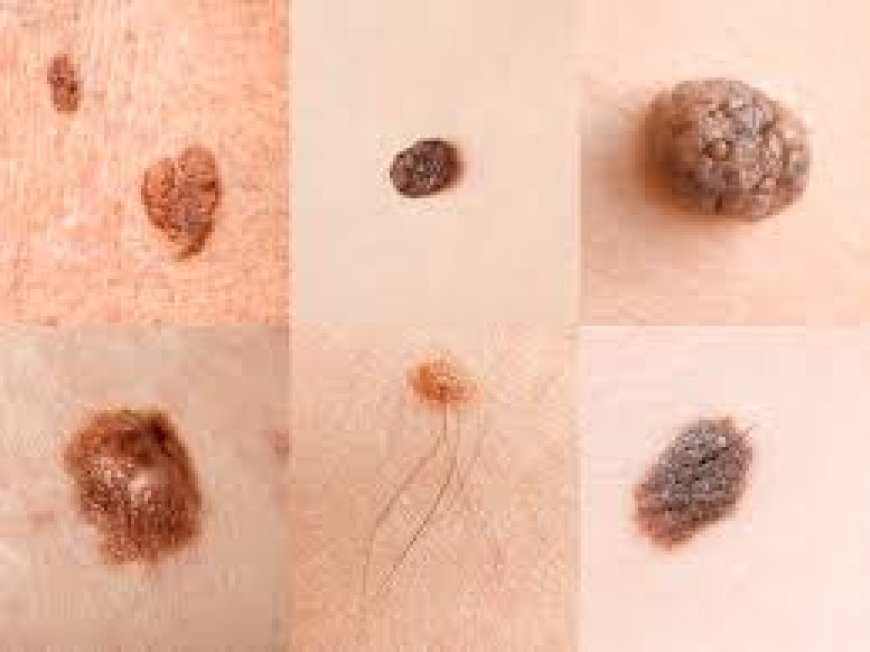
Knowing your skin is key to catching early signs of trouble. Conduct a self-exam once a month, using a full-length mirror and a hand mirror to check every part of your body, including areas not typically exposed to the sun.
What to look for:
-
New moles or growths
-
Changes in the size, color, or shape of existing moles
-
Sores that dont heal
-
Patches that are itchy, bleeding, or crusty
Use the ABCDE rule to evaluate moles:
-
Asymmetry
-
Border irregularity
-
Color variation
-
Diameter greater than 6mm
-
Evolving over time
If anything looks suspicious, schedule a skin check with a dermatologist promptly.
7. Set a Good Example for Kids
Skin protection habits are best developed early. Children who experience sunburns during childhood are at a significantly higher risk of developing skin cancer later in life.
Make sun protection fun and normal:
-
Let kids pick out colorful hats or sunglasses.
-
Apply sunscreen together as part of your familys routine.
-
Educate them about the importance of staying safe in the sun.
8. Stay Hydrated and Watch for Heat Exhaustion
Though not directly related to skin cancer, staying hydrated and avoiding heat exhaustion are crucial when spending time in the sun. Drink plenty of water, wear breathable clothing, and take breaks in shaded areas. Your overall health depends on more than just your skin!
Expert Insight: Dr. Shaun Segals Advice
According to Dr. Shaun Segal, a leading dermatologist, Sun damage accumulates over a lifetime. Protecting your skin is not just about avoiding burns its about preventing long-term cellular damage that can lead to skin cancer.
Final Thoughts
Preventing skin cancer is largely in your hands and your habits. By embracing these sun-safe practices daily, you significantly reduce your chances of developing skin cancer and keep your skin looking younger, healthier, and more radiant.
To recap:
-
Use sunscreen daily and reapply often
-
Seek shade during peak UV hours
-
Wear protective clothing and sunglasses
-
Avoid tanning beds entirely
-
Practice year-round sun safety
-
Do regular self-exams
-
Educate and protect your children
-
Stay cool and hydrated
Sun protection isnt just a seasonal concern its a lifelong commitment to your health and well-being. Your skin will thank you!