





















Types of Goods Commonly Moved by Road Freight
Discover the 7 main types of goods commonly moved by road freight in Australia, including general, perishable, bulk, and dangerous goods. Learn their features, use cases, pros and cons, and industry relevance.
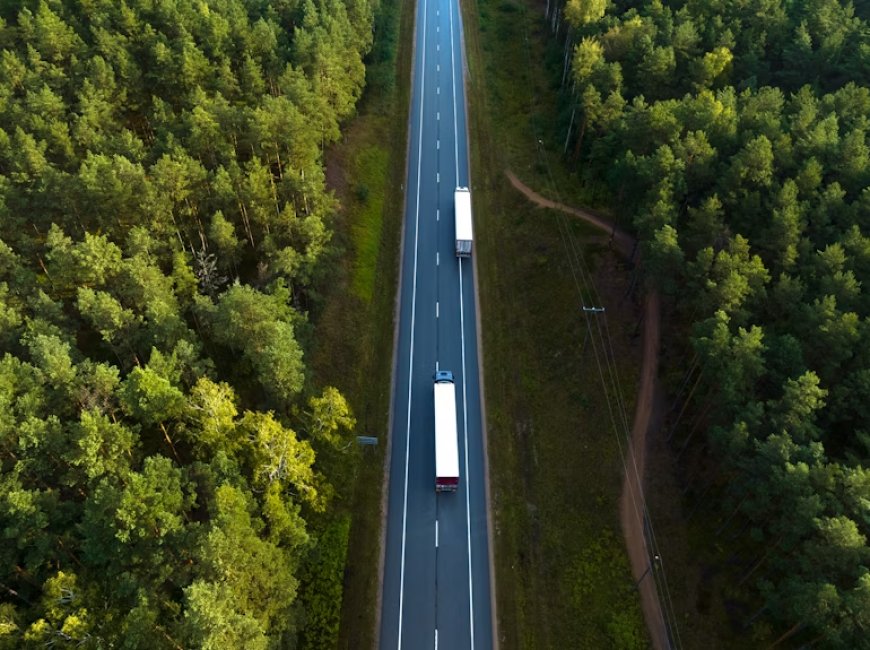
Road freight transport refers to the movement of goods using trucks and other road vehicles over short and long distances. It remains the backbone of Australias logistics sector due to its flexibility, reach, and cost-efficiency. From consumer products to construction materials, road freight accommodates a wide variety of freight types, each with unique features, requirements, and contexts.
This article explores the main types of goods transported via road freight, supported by their attributes, use cases, pros and cons, and target audiences. It also presents the situational relevance of road freight across industries and includes examples, comparisons, and tabular summaries for clarity.
1. General Freight (Non-Perishable Goods)
General freight includes dry, packaged, and palletised items that do not require refrigeration or special handling.
Features:
-
Packed in boxes, cartons, or pallets
-
Typically lightweight to moderate in weight
-
Handled using forklifts or pallet jacks
Use Cases:
-
Retail inventory (e.g., clothing, furniture)
-
E-commerce deliveries
-
Office supplies and packaged food
Pros:
-
Easy to load and unload
-
Suits full truckload (FTL) and less-than-truckload (LTL) models
-
Broad availability of carriers
Cons:
-
May require warehousing in transit
-
Vulnerable to theft if unsecured
Target Audience:
-
Online retailers
-
Wholesale distributors
-
Small businesses
2. Perishable Goods
Perishable goods refer to items with limited shelf life that need temperature-controlled transport.
Examples include:
-
Dairy products, meat, frozen seafood
-
Fresh fruit and vegetables
-
Pharmaceuticals
Features:
-
Require refrigerated trucks (reefers)
-
Monitored via temperature sensors
-
Time-sensitive deliveries
Use Cases:
-
Grocery chain logistics
-
Medical supply transport
-
Farm-to-market supply chains
Pros:
-
Maintains product integrity
-
Supports cold-chain compliance
Cons:
-
Higher operating costs
-
Increased risk during transit interruptions
Target Audience:
-
Supermarkets and food suppliers
-
Pharmaceutical companies
-
Farmers and agri-exporters
3. Bulk Freight
Bulk freight involves unpackaged goods transported in large volumes using tipper trucks or tankers.
Types include:
-
Dry bulk: grain, sugar, cement
-
Liquid bulk: fuel, chemicals, oils
Features:
-
Moved in loose form or tanks
-
Often requires specialised vehicles
-
Typically one commodity per load
Use Cases:
-
Agricultural grain deliveries
-
Mining and construction sites
-
Fuel station supply chains
Pros:
-
High volume efficiency
-
Direct delivery to processing plants
Cons:
-
Needs dedicated handling equipment
-
Contamination risks if not cleaned properly
Target Audience:
-
Farmers and agricultural cooperatives
-
Mining and industrial companies
-
Fuel distributors
4. Dangerous Goods (Hazmat Freight)
Dangerous goods are substances that pose risks to health, safety, property, or the environment during transport.
Examples:
-
Flammable liquids (petrol, ethanol)
-
Compressed gases (LPG, oxygen)
-
Corrosive substances (acids, batteries)
Features:
-
Requires ADR-compliant vehicles
-
Must display hazard signage
-
Drivers need special training
Use Cases:
-
Chemical manufacturing
-
Fuel logistics
-
Waste management
Pros:
-
Enables essential supply chains
-
Regulated transport ensures safety
Cons:
-
High compliance costs
-
Risk of accidents
Target Audience:
-
Chemical plants
-
Industrial clients
-
Government contractors
5. Construction Materials
Construction materials include heavy, irregular, or bulk items used in infrastructure and building projects.
Examples:
-
Bricks, timber, steel beams
-
Cement bags, scaffolding, roofing sheets
Features:
-
Transported using flatbeds or drop deck trailers
-
Often loaded via cranes or forklifts
-
May require wide-load permits
Use Cases:
-
Residential and commercial building sites
-
Road and bridge construction
-
Landscaping projects
Pros:
-
Flexible loading options
-
High-capacity vehicles available
Cons:
-
Exposure to weather
-
Requires precise scheduling
Target Audience:
-
Builders and contractors
-
Hardware suppliers
-
Project managers
6. Livestock and Agricultural Freight
This category covers the transport of live animals and agricultural produce.
Examples:
-
Sheep, cattle, poultry
-
Fresh produce and feed
Features:
-
Specialised trucks with ventilation
-
Compliance with animal welfare laws
-
Timing critical to reduce animal stress
Use Cases:
-
Farm to abattoir transport
-
Livestock auctions
-
Agricultural exports
Pros:
-
Enables food production supply chains
-
Custom-designed trailers enhance safety
Cons:
-
Sensitive to road conditions
-
Health risks if not properly managed
Target Audience:
-
Farmers and graziers
-
Meat processing companies
-
Agricultural exporters
7.Oversized and Heavy Equipment
Oversized freight refers to cargo that exceeds standard legal dimensions or weight.
Examples:
-
Excavators, cranes, prefabricated homes
Features:
-
Requires escort vehicles
-
Needs permits and planning
-
Uses low-loader trailers
Use Cases:
-
Infrastructure projects
-
Industrial plant relocation
-
Renewable energy installations
Pros:
-
Enables movement of machinery not fit for rail or sea
-
Customised solutions for complex needs
Cons:
-
Expensive to arrange
-
Route restrictions apply
Target Audience:
-
Government contractors
-
Mining and energy sectors
-
Equipment hire companies
Comparison Table of Freight Types
| Freight Type | Common Goods | Special Requirements | Primary Industries |
|---|---|---|---|
| General Freight | Boxes, packaged goods | None specific | Retail, e-commerce |
| Perishable Goods | Dairy, meat, pharmaceuticals | Refrigeration, time-sensitive | Food, medical |
| Bulk Freight | Grain, fuel, cement | Tankers or tippers | Agriculture, construction |
| Dangerous Goods | Chemicals, gases, batteries | Hazmat compliance | Industrial, chemical |
| Construction Materials | Bricks, timber, steel | Flatbed trucks, crane access | Building, landscaping |
| Livestock & Agriculture | Cattle, sheep, fresh produce | Ventilation, animal welfare | Farming, food production |
| Oversized Equipment | Excavators, prefab structures | Permits, escorts | Infrastructure, mining |
Why Road Freight is Ideal for These Goods
Road freight offers flexibility, door-to-door access, and real-time tracking for nearly all goods types. It services areas where rail and air are limited and complements intermodal networks by connecting ports, warehouses, and regional hubs.
For example:
-
Perishable produce from Mildura can be transported directly to supermarket warehouses in Sydney.
-
Construction materials from a Brisbane yard can be delivered straight to a regional Queensland site.
-
Dangerous goods can be distributed within regulated metro zones using route-specific compliance.
visit: https://freighthub.net.au/
Conclusion
Road freight remains essential for moving a wide variety of goods across Australia, from perishables and construction materials to hazardous and oversized items. Each freight type carries specific handling requirements, use cases, and industry relevance.
Understanding these distinctions helps businesses choose the right transport partner and ensure goods arrive safely, efficiently, and within compliance. As logistics continues to evolve, road freight adapts to meet changing demands across industries.