






















Understanding Brazed Plate Heat Exchangers in Industrial Applications
Brazed plate warmness exchangers stand at the forefront of present day commercial thermal management due to their compact layout, high performance, and durability.


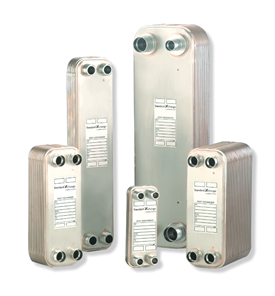
Brazed plate heat exchangers are compact, fairly efficient gadgets used to transfer warmth among fluids. They are extensively utilized in HVAC, refrigeration, and different thermal systems because of their robust production and thermal efficiency. Their design entails skinny, corrugated stainless steel plates stacked collectively and brazed with copper or nickel to ensure a durable, leak-loose connection. These exchangers are perfect for space-saving installations and can handle excessive pressures and temperatures, making them a top preference in present day engineering structures. In the context of commercial warmness exchanger applications, brazed plate warmness exchangers offer unrivaled versatility and overall performance. Their reliability and efficiency cause them to the pass-to desire for industries in search of low-renovation and power-green answers.
How Brazed Plate Heat Exchangers Work
Brazed plate heat exchangers perform at the principle of indirect heat switch. Fluids enter change channels between the stacked plates, allowing one fluid to switch warmness to the other without any bodily mixing. This green mechanism complements thermal conductivity and maximizes electricity recovery. Their creation guarantees turbulent float, which increases warmth transfer performance even as minimizing fouling and scaling. The brazed joints dispose of the want for gaskets, decreasing upkeep and enhancing system integrity. In industrial strategies, in which downtime can be high-priced, this reliability is vital. These exchangers are mainly powerful in systems with excessive temperature and stress needs, ensuring consistent thermal performance.
Advantages of Brazed Plate Heat Exchangers Over Traditional Designs
Brazed plate warmth exchangers provide several advantages over traditional shell and tube or gasketed plate exchangers. Their compact design makes them perfect for installations where area is restricted. The absence of gaskets minimizes the threat of leaks and protection necessities. Additionally, the excessive turbulence float improves heat transfer efficiency and reduces fouling. These characteristics are particularly critical in industrial heat exchanger structures wherein performance and reliability are paramount. Their strong overall performance in dealing with aggressive fluids and varying thermal masses makes them appropriate for a huge range of business environments, from production to chemical processing.
Applications in Industrial Heat Exchanger Systems
In commercial settings, brazed plate heat exchangers are utilized in quite a few applications, inclusive of cooling structures, warmth healing, procedure heating, and extra. Their versatility allows them to serve in industries inclusive of strength generation, petrochemicals, food and beverage, and prescription drugs. These exchangers play a important role in maintaining most reliable temperatures in machinery and techniques, for this reason improving usual efficiency and decreasing strength consumption. Their ability to handle excessive pressures and temperatures with out significant put on or degradation makes them crucial in traumatic industrial environments. For applications requiring compact yet powerful warmth alternate solutions, brazed plate exchangers offer a value-powerful and sturdy choice.
Material Considerations and Design Features
The creation of brazed plate warmth exchangers involves choosing excessive-grade chrome steel for the plates and copper or nickel for the brazing fabric. These materials offer superb corrosion resistance, mechanical energy, and heat switch efficiency. The plates are designed with a herringbone sample to sell turbulent waft, improving warmness switch while lowering the danger of fouling. These layout concerns make brazed plate exchangers perfect for hard business warmness exchanger environments. They are capable of withstanding thermal pressure, chemical exposure, and mechanical vibration, which might be commonplace in business tactics. The compact layout also permits for bendy installation in numerous system configurations.
Energy Efficiency and Cost Savings
Brazed plate warmth exchangers are identified for their power performance. Their potential to transfer warmness effectively with minimum strength enter consequences in decrease operational fees. In business programs, in which power intake is a major problem, these exchangers assist in considerably decreasing strength payments. Their compact size also translates into lower installation and maintenance prices. With fewer additives and no gaskets, the danger of failure and the need for upkeep are minimized. For industries aiming to optimize performance at the same time as decreasing expenses, these exchangers provide a practical and green answer. Their lengthy lifespan and coffee preservation wishes in addition decorate their monetary fee.
Maintenance and Longevity in Industrial Use
One of the important advantages of brazed plate warmness exchangers is their low upkeep requirements. The strong brazed production gets rid of the need for gasket replacements, and their easy surfaces withstand fouling and scaling. Routine inspections and coffee cleansing are commonly all thats required to hold them operating at peak efficiency. In commercial heat exchanger settings, where equipment reliability is crucial, this low-renovation feature is a substantial advantage. The long carrier life and constant performance of brazed plate exchangers reduce downtime and enlarge the life of the complete system. Proper water remedy and glide tracking can further enhance durability.
Choosing the Right Size and Capacity
Selecting the right length and potential of a brazed plate warmness exchanger is important for accomplishing ideal performance. Factors consisting of fluid kind, drift price, temperature range, and pressure requirements ought to be cautiously considered. Oversized units may additionally lead to pointless prices, even as undersized ones can motive device inefficiency or failure. Engineers normally use specialized software or seek advice from manufacturer recommendations to decide the fine configuration. In commercial warmth exchanger systems, accurate sizing guarantees energy efficiency, steady output, and dependable operation. Customization options additionally permit for tailoring units to particular operational desires, improving performance and cost.
Integration in HVAC and Refrigeration Systems
Brazed plate warmness exchangers are broadly used in HVAC and refrigeration systems to manage thermal masses successfully. In chillers, heat pumps, and condensers, those devices assist maintain stable temperatures and enhance energy performance. Their compact length permits them to be integrated seamlessly into present systems, offering powerful warmth alternate competencies without taking up excess area. In business settings, such integration helps temperature manage in manufacturing techniques, storage areas, and environmental chambers. As part of a broader industrial warmth exchanger network, brazed plate exchangers make contributions to standard system performance and power conservation.
Environmental and Sustainability Benefits
The strength-green operation of brazed plate warmness exchangers contributes definitely to environmental sustainability. By optimizing thermal transfer and reducing power waste, they help decrease carbon emissions and reduced environmental effect. Their lengthy carrier lifestyles and occasional upkeep needs also suggest fewer replacements and less waste through the years. In industries focused on sustainable operations, those exchangers align nicely with inexperienced tasks. Furthermore, using recyclable materials in their production helps eco-friendly production practices. Their overall performance performance in industrial warmness exchanger systems enables businesses meet regulatory requirements and sustainability dreams even as improving their bottom line.
Troubleshooting and Common Operational Challenges
Although brazed plate warmness exchangers are recognised for their reliability, certain operational problems can stand up. Common issues include reduced warmness switch performance due to fouling, pressure drops from clogging, or float imbalances. Regular inspection and preventative upkeep can mitigate those troubles. Using smooth fluids, appropriate filtration, and maintaining correct float costs are key to making sure problem-loose operation. In commercial heat exchanger systems, addressing minor troubles early can save you essential disasters and costly downtime. Understanding the signs and symptoms and answers to not unusual issues facilitates operators maintain most useful performance and expand device lifespan.
Future Trends and Innovations in Brazed Plate Technology
The future of brazed plate warmth exchangers is being shaped by improvements in materials, design, and production approaches. New alloys and brazing techniques are enhancing thermal conductivity, corrosion resistance, and stress dealing with competencies. Advances in 3-d modeling and computational fluid dynamics are allowing more specific and green designs. In the context of commercial warmth exchanger technology, these innovations promise even greater performance, smaller footprints, and broader application versatility. As industries demand higher efficiency and sustainability, brazed plate warmness exchangers are evolving to meet these expectancies with smarter, greater incorporated solutions.
Conclusion: Why Brazed Plate Heat Exchangers Are Essential
Brazed plate warmness exchangers stand at the forefront of present day commercial thermal management due to their compact layout, high performance, and durability. Whether utilized in HVAC, manufacturing, or electricity systems, they supply advanced overall performance at the same time as minimizing protection and operational prices. In annoying industrial heat exchanger environments, their resilience and performance are unequalled. Their position in strength conservation and sustainable practices additionally aligns with the evolving needs of responsible industries. For the ones seeking dependable and value-powerful warmth change answers, brazed plate heat exchangers are a clean desire. At Kinetic Engineering Corporation, we apprehend the importance of revolutionary thermal solutions and proudly offer top-tier brazed plate warmth exchangers tailor-made to fulfill your industrial needs with unequalled first-rate and assist.