























Understanding Surface Coatings in Culture Dish Coverslip Inserts
In the intricate world of cell culture research, culture dish coverslip inserts serve as the stage for understanding the mysteries of life at a microscopic level.

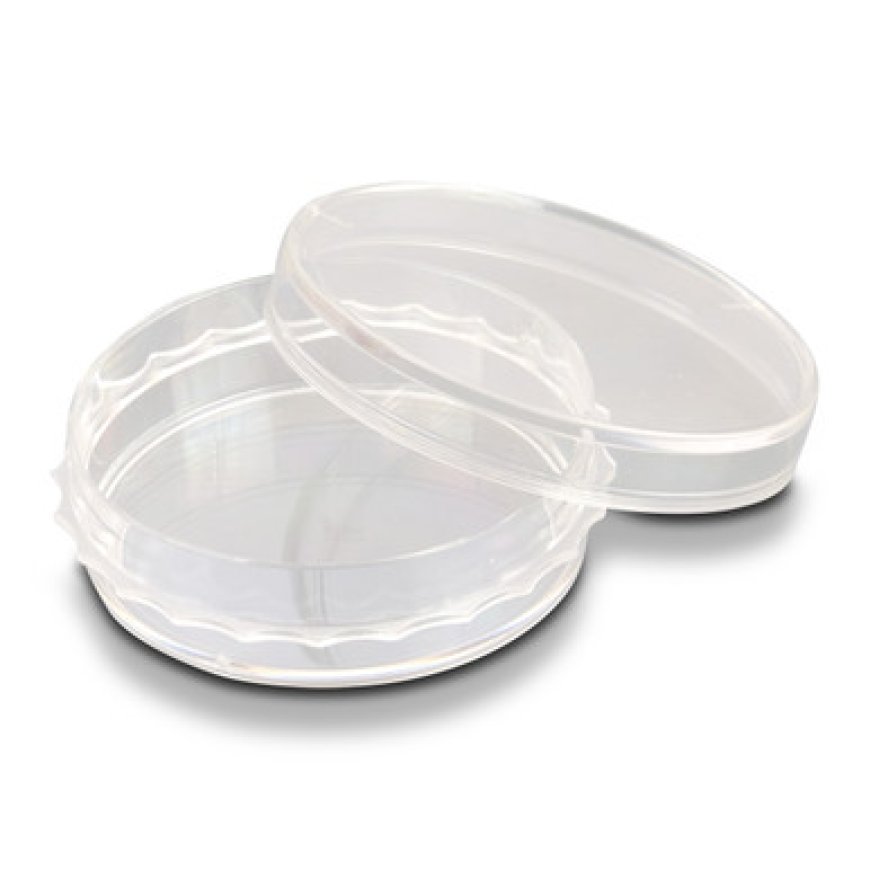
When it comes to exploring the microscopic wonders of cells and organisms in a laboratory setting, culture dish coverslip inserts play a crucial role. These inserts, often overlooked, have a significant impact on the success of experiments. In this blog, we'll delve into the realm of this exceptional equipment, specifically focusing on the importance of surface coatings and how they influence your research.
The Basics: What are Culture Dish Coverslip Inserts?
Before we dive into the details, let's take a moment to understand what this equipment is. Imagine a tiny dish that scientists use to cultivate cells for research purposes that's a culture dish. Now, picture a coverslip, a thin piece of glass or plastic. Combine the two, and you get a culture dish coverslip insert a miniature environment for studying cells under a microscope.
The Role of Culture Dish Coverslip Inserts
It provides a controlled and sterile environment for cells to grow and interact. Researchers use them to mimic natural conditions, facilitating the observation of cell behavior, reactions to stimuli, and various biological processes. The versatility of these inserts makes them indispensable in cell culture studies.
Unlocking the Importance of Surface Coatings
Now, let's zoom in on a critical aspect of this exceptional equipment surface coatings. The surface coating of an insert is like the welcome mat for your cells. It determines how cells adhere, spread, and interact with the substrate, influencing the outcome of your experiments.
1. Enhanced Cell Adhesion:
The primary purpose of a surface coating is to promote cell adhesion. Different coatings offer varying degrees of adhesion strength. Some coatings, like poly-L-lysine, enhance cell attachment, ensuring that cells stay put on the coverslip. This is particularly crucial when studying cells that are sensitive to their environment or when conducting long-term experiments.
2. Cell Viability and Proliferation:
Surface coatings also impact cell viability and proliferation. Certain coatings provide a supportive environment for cells to thrive, promoting healthy growth and division. This is essential for experiments requiring the observation of cell behavior over an extended period.
3. Cell Differentiation:
Researchers often use this equipment to study cell differentiation the process by which cells transform into specialized cell types. The right surface coating can influence and guide this differentiation process, allowing scientists to explore the development of specific cell lineages.
4. Reducing Non-Specific Binding:
In some experiments, non-specific binding can be a challenge. This occurs when cells adhere to surfaces indiscriminately, leading to inaccurate results. Tailoring the surface coating helps minimize non-specific binding, ensuring that your observations are specific to the cells you're studying.
Common Types of Surface Coatings
Now that we've established the importance of surface coatings, let's explore some common types and their characteristics.
1. Poly-L-Lysine: Poly-L-lysine is a popular coating known for its ability to enhance cell adhesion. It is widely used in neuroscience and immunology research, where precise cell positioning is crucial.
2. Collagen: Collagen coatings mimic the natural extracellular matrix, providing a supportive environment for cell attachment and growth. This coating is often used in studies involving cell migration and tissue development.
3. Gelatin: Gelatin coatings offer a cost-effective solution for promoting cell adhesion. They are commonly used in routine cell culture experiments, providing a stable substrate for various cell types.
4. Fibronectin: Fibronectin coatings are known for their role in promoting cell differentiation. Researchers use this coating to create conditions conducive to studying the development of specific cell lineages.
Choosing the Right Surface Coating for Your Experiment
Selecting the appropriate surface coating depends on the nature of your experiment and the cell type you are working with. Here are some aspects to assist your decision:
1. Cell Type: Different cells have different adhesion requirements. Consider the specific needs of your cell type and choose a coating that aligns with those requirements.
2. Experiment Duration: If your experiment involves extended observation periods, opt for a coating that supports long-term cell viability and proliferation.
3. Nature of Study: The focus of your study whether it's cell migration, differentiation, or another aspect should guide your choice of surface coating. Each coating has unique properties that can influence specific cellular behaviors.
4. Budget Constraints: While it's crucial to prioritize the needs of your experiment, it's also essential to consider budget constraints. Some coatings may be more cost-effective without compromising experimental integrity.
Summary
In the intricate world of cell culture research, culture dish coverslip inserts serve as the stage for understanding the mysteries of life at a microscopic level. Surface coatings, often underestimated, play a pivotal role in shaping the conditions for successful experiments. By choosing the right coating, scientists can unlock new insights into cell behavior, paving the way for breakthroughs in medicine, biology, and beyond. So, the next time you peer through the microscope, remember that the unseen coating beneath your cells is a silent architect, shaping the destiny of your scientific exploration.