





















Understanding the 4 Stages of Wound Healing: A Complete Guide
Learn the four essential wound healing stages and how your body repairs injuries. Discover signs, timelines, and tips to support faster, safer healing in this complete guide.

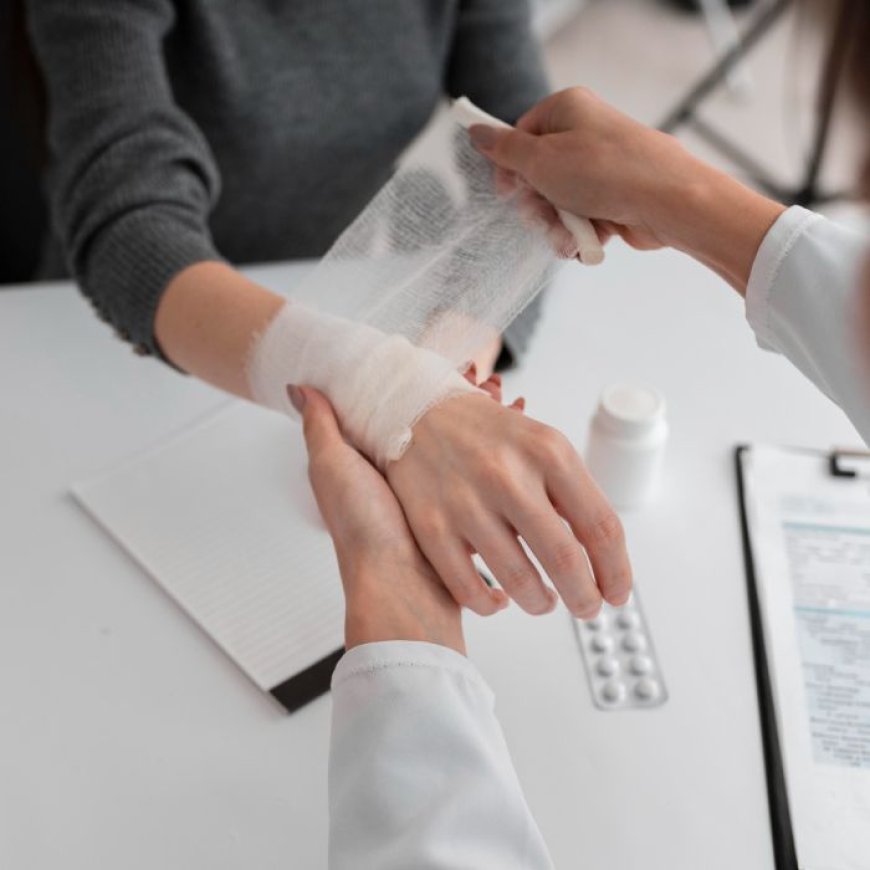
Wounds are an inevitable part of life. Whether caused by accidental injury, surgical procedures, or chronic health conditions, your body has an amazing ability to repair damaged tissue through a natural and complex biological process. This repair process occurs in distinct phases known as the wound healing stages.
Understanding how wounds heal not only helps you recognize whether your recovery is on track, but also enables you to take proactive steps to support healing and prevent complications such as infection or chronic wounds.
In this comprehensive guide, well walk you through the four key stages of wound healing, what happens in each phase, how to identify normal vs delayed healing, and tips to optimize the healing process.
Why Understanding Wound Healing Stages Matters
When you suffer a wound, your body doesnt just patch it up randomlyit follows a highly organized biological sequence designed to restore tissue integrity. The wound healing stages help determine how effectively and quickly your body recovers. Recognizing these stages can help you:
-
Monitor your progress and spot potential problems
-
Make informed decisions about wound care
-
Prevent infection or delayed healing
-
Know when to seek medical help
Lets take a closer look at each stage.
The Four Stages of Wound Healing
Wound healing typically progresses through the following stages:
1. Hemostasis Phase (Immediate Response)
Duration: Minutes to hours after the injury
Purpose: Stop bleeding and form a clot
As soon as a wound occurs, your body springs into action. The first priority is to stop the bleeding, a process known as hemostasis. Blood vessels constrict (vasoconstriction), and platelets (blood cells responsible for clotting) rush to the site of injury. These platelets stick together to form a clot and release chemical signals to trigger the next stage.
A scab begins to form on the wounds surface, acting as a temporary barrier to pathogens.
Key signs of this stage:
-
Bleeding that quickly slows or stops
-
Formation of a dark scab
-
Initial swelling or redness
2.Inflammatory Phase
Duration: 1 to 4 days after injury
Purpose: Clear out bacteria and damaged tissue
In this phase, your immune system takes center stage. White blood cells such as neutrophils and macrophages flood the wound area to fight off bacteria and remove dead tissue. This process cleans the wound to prepare it for new tissue growth.
Inflammation is a natural and necessary part of healingbut it should remain controlled.
Key signs of this stage:
-
Redness and swelling around the wound
-
Warmth at the site
-
Mild pain or tenderness
-
Clear or slightly yellow drainage
When to be cautious:
Excessive swelling, pus, or worsening pain could indicate infection. While some inflammation is expected, severe symptoms warrant medical attention.
3.Proliferative Phase
Duration: 4 to 24 days after injury
Purpose: Build new tissue and blood vessels
During this stage, your body begins rebuilding. Fibroblasts (specialized cells) produce collagen, a key protein that strengthens the skin. At the same time, new blood vessels form to supply nutrients and oxygen. This process is called angiogenesis.
Granulation tissuemoist, pink or red tissuefills in the wound. Skin cells (keratinocytes) begin to migrate across the wound surface to form new skin.
Key signs of this stage:
-
Pink or red granulation tissue
-
Less drainage and swelling
-
Reduction in wound size
-
Development of new skin over the wound edges
4.Maturation (Remodeling) Phase
Duration: 21 days to several months (or even a year)
Purpose: Strengthen and reshape the tissue
In the final stage of wound healing, the new tissue matures and strengthens. Collagen continues to be produced and rearranged into a more organized structure. Over time, the wound contracts and the scar becomes less prominent.
Although the wound may look healed from the outside, the internal tissue continues to strengthen for weeks or months.
Key signs of this stage:
-
Decreased redness and swelling
-
Itching or tightness (common as skin remodels)
-
Fading of the scar over time
Factors That Influence Wound Healing
Healing is not the same for everyone. Several factors can influence how fast or effectively a wound moves through the four stages:
Internal Factors:
-
Age: Older adults often experience slower healing.
-
Nutrition: Deficiencies in protein, zinc, or vitamins A and C can delay tissue repair.
-
Chronic conditions: Diabetes, poor circulation, and immune disorders increase healing time.
-
Medications: Steroids and chemotherapy drugs can suppress immune response.
External Factors:
-
Infection: Disrupts healing and may cause chronic wounds.
-
Pressure: Excessive pressure on the wound can delay recovery.
-
Smoking: Reduces oxygen delivery to tissues, impairing healing.
-
Poor wound care: Infrequent cleaning or improper dressing can slow progress.
Delayed Healing and Chronic Wounds
If a wound doesnt progress through the wound healing stages as expected, it may become chronic. Common signs of delayed healing include:
-
Persistent inflammation or swelling
-
No reduction in wound size after two weeks
-
Continued drainage or pain
-
Darkening of wound edges or presence of dead tissue
Chronic wounds often require professional medical treatment, including specialized dressings, debridement (removal of dead tissue), or referral to a wound care specialist.
Tips to Support Each Stage of Wound Healing
Here are actionable ways to support your body's healing process at each stage:
Hemostasis Stage
-
Apply gentle pressure to stop bleeding
-
Use sterile bandages to protect the wound
Inflammatory Stage
-
Clean the wound with saline or clean water
-
Avoid harsh antiseptics like hydrogen peroxide unless advised
-
Use an antibiotic ointment if recommended
Proliferative Stage
-
Keep the wound moist with proper dressings (e.g., hydrocolloid or non-stick gauze)
-
Ensure a protein-rich diet with vitamins and minerals
-
Avoid disrupting granulation tissue or scabs
Maturation Stage
-
Stay hydrated and continue eating nutrient-rich foods
-
Avoid picking at scabs or scars
-
Use sunscreen to prevent scar discoloration
When to See a Healthcare Provider
Seek medical help if:
-
The wound shows signs of infection (pus, foul odor, fever)
-
There's increased pain, swelling, or spreading redness
-
Healing doesn't improve within 12 weeks
-
You have underlying health conditions like diabetes
-
The wound was caused by a bite, burn, or contaminated object
Conclusion: Know the Stages, Heal with Confidence
Wound healing is a remarkable biological process that involves precise coordination between cells, proteins, and systems. By understanding the wound healing stages, you can better care for your wounds, recognize abnormal signs, and take steps to promote faster, safer recovery.
From stopping the bleeding to forming new skin and tissue, each phase plays a vital role in restoring your health. With proper wound care, good nutrition, and timely medical attention when needed, most wounds can heal effectively and leave minimal scarring.
Whether you're recovering from a surgery or tending to a minor scrape, knowing what your body needs at every step can make all the difference.