





















What Every Patient Should Know About Preventive Screenings
Stay ahead of health issues with preventive screenings—early detection can save lives and improve long-term well-being. Book your screening today for peace of mind.

Worried about catching health issues too late? Feeling fine? Have you skipped tests before? Preventive screenings are helpful for early detection and prevent patients from serious health issues.
In this blog, you will learn why screenings matter, how they save lives, and what you should know.
For example, the best private hospitals in South Punjab give more preference and awareness about their preventive measures to detect any disease on time.
However, preventive screenings are not just medical check-ups; they act as a powerful tool to detect problems before they cause serious issues.
Moreover, as patients, we must know about why these tests are important, how they can be carried out, and how often we should get them. Lets have a look at these measures.
Why Preventive Screenings Matter
Important matters such as health care generally revolve around the treatment of medical conditions after they have been diagnosed. What about routine check-ups ordered for some patients?
The fight against chronic diseases, including malignancy, heart disease, and diabetes, is made easier through preventive screenings. These screenings allow us to detect serious issues initially.
For example, as a doctor, I care a lot about patients' health, and so it brings a smile to my face when long-term ailments can be avoided with timely intervention, along with decreased expenses during management and improved recovery.
Stress on your health is not only safeguarded by routine examinations; your well-being pursuits are bolstered too, as they promote healthier ways of living.
What Types of Screenings Should You Consider?
There are many types of preventive screenings people can select, one of which is according to their age, gender, and risk factors.
These screenings range from basic, like blood pressure monitoring, to complex ones such as cholesterol screening, mammograms, and colonoscopies.
Heres where we discuss some important preventive screenings that must be remembered:
-
Blood Pressure Check: High blood pressure can cause serious heart issues, such as a heart attack and kidney problems. Regular blood pressure checking keeps these risks managed.
-
Cholesterol Test: Measuring cholesterol levels regularly in our bodies is important because high concentrations can lead to serious heart issues.
-
Cancer Screenings: Screening mammograms, self-examinations, and colonoscopies help us to detect cancers like breast or colorectal at their initial stages. With early intervention, ones chance of survival increases.
-
Diabetes Screening: Receiving timely and fitting treatment allows one to prevent the kind of dire outcomes that would come from undiagnosed diabetes symptoms further down the line.
Also Read: Grey Structure Construction in Lahore A Comprehensive Guide to Smart Building Choices
How Do Screenings Benefit You?
Screenings benefit us by providing regular information about our internal health. When we do any health screening, then it means that we are not just detecting any diseases, but we are taking proactive steps to live the healthiest life.
Most people are not aware of the chronic diseases that develop slowly and silently, because of which regular screening has become an essential part of our daily routine.
If people regularly follow their schedules for screening, then we can reduce the chances of late-stage diagnosis and protect ourselves from expensive treatments and medicine.
What Happens During a Screening?
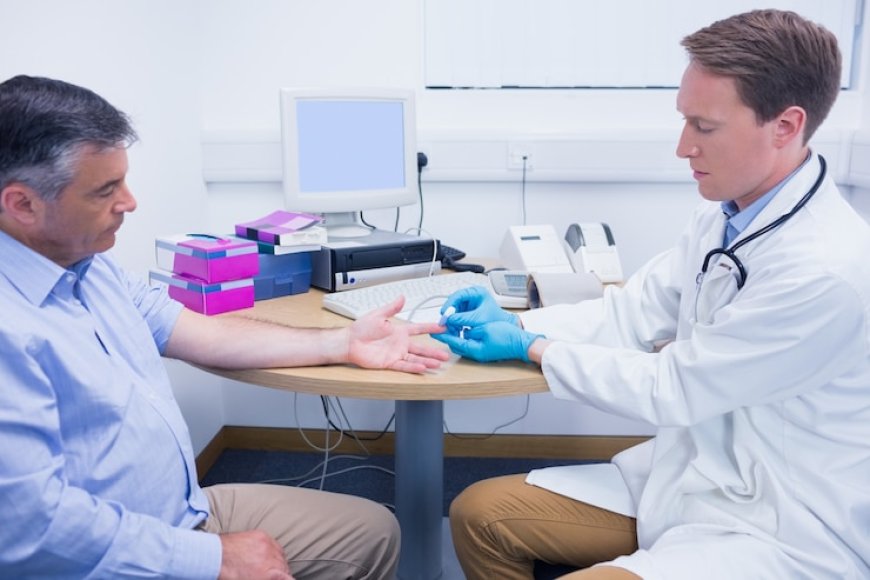
There is generally concern regarding the processes involved in screening. More often than not, they are straightforward and non-invasive. The time needed for completion of screenings is minimal.
A cholesterol test is one example where only blood sampling is needed; another example would be mammography, which consists of a short X-ray exam of breast tissues.
Other tests, like colonoscopies, do require more preparation but are done relatively quickly. If patients know what type of screening they are undergoing, they cooperate during the whole procedure.
Healthcare professionals guide the whole procedure in the best way, making sure that you understand which steps are to be taken during tests.
Why You Should Consult an Expert
We, as patients, cannot know for sure which screenings are right for you; its good for you to consult with a medical professional. They tell you about the screening that suits and guide you through the whole procedure.
For example, an internal medicine specialist in Multan is the best option for you who provides guidance according to your individual health needs and risk factors.
Theyll help to find out necessary screenings based on your age, family history, and lifestyle while maintaining your health and getting more knowledge about preventive screening.
Making Preventive Screenings Part of Your Routine
If you adopt these screenings as a regular part of your routine, then you remain consistent with your health status. And only choose selective and natural food to eat.
Certain individuals avoid regular screening due to the possibility of receiving bad news and having no time to attend the screening; however, early detection always has the potential to save lives.
For example, if a doctor knows about potential risks early, then they make timely interventions and offer the best possible treatment options to them.
Final Thoughts
So, always keep in mind that preventive screenings act as a powerful tool in maintaining our health. From screening results, doctors can detect any issues at their initial stage, where it is more treatable.
However, regular screening encourages us to take steps and take control of our health before they escalate into serious issues.
If you do not adopt screenings as a part of your regular healthcare routine, then you cannot actively participate in your daily life activities. Making schedules for check-ups and staying informed welcomes a healthier future.
Also Read: Ranitidine: What It Is and How It Works for Acid Reflux