






















What Materials Suit Custom Greaseproof Paper Best
Discover the top materials ideal for creating custom greaseproof paper that enhances packaging performance and maintains food freshness.

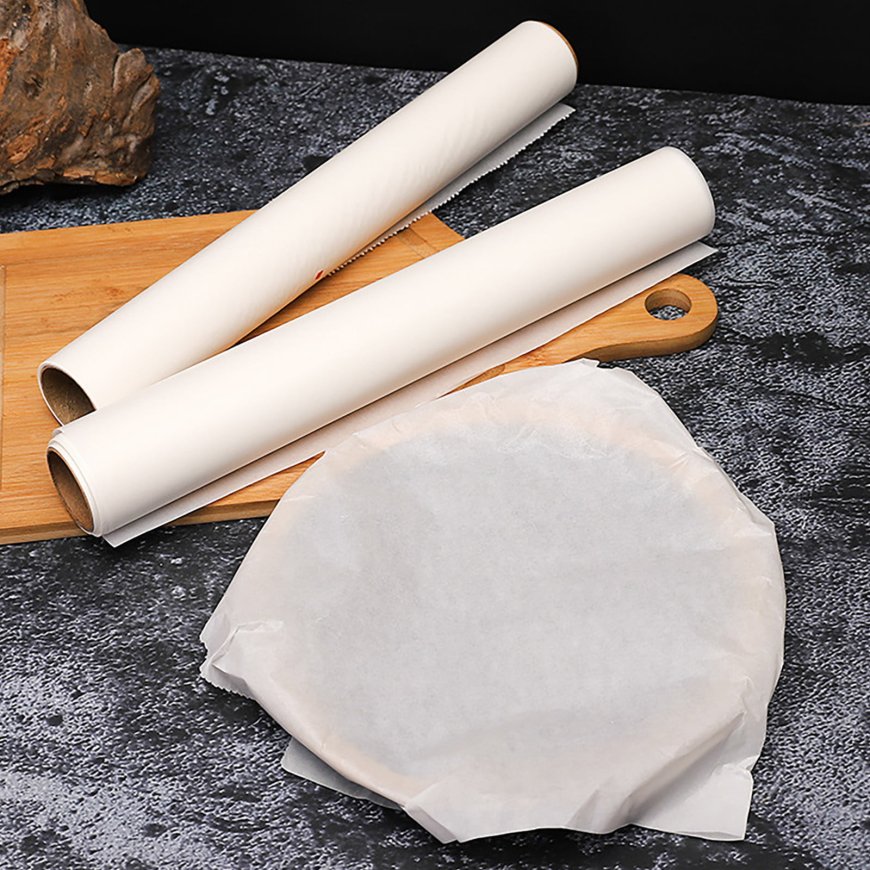
In the food packaging industry, custom greaseproof paper is an important product as it provides an oil and moisture barrier. It helps to keep food attractive to the eye, as well as keeps it safe and hygienically handled in the process of storing and transporting. The selection of material that will be used to produce greaseproof paper is very important to both performance and sustainability. Manufacturers have a variety of options, ranging nowadays to high-tech biodegradable composites to traditional wood pulp.
Each of the materials has its benefits, including some grease resistance, heat tolerance, and environmental friendliness. We are going to discuss what types of material best achieve the custom greaseproof paper, and how those materials can affect quality and functionality.
The Foundation of Durability
The most popular component in greaseproof paper is wood pulp, primarily when the raw material comes from virgin fibers. It has a fine structure that has the ability to be packaged densely in the refining process, which works to minimize pore size, thus it is not susceptible to the absorption of grease. This raw stock is the best raw material for making greaseproof paper sheets, which is durable but will not sacrifice flexibility. It can also be printed with ease, thus it can be used in the branding and designing of foods. Its fibrous nature attracts some oil, but the major strength is the treatment of its surface, which increases its oil resistance.
Sleek and Smooth with Natural Resistance
Glassine is a glossy, smooth paper that is manufactured by heavy refinement of the pulp and has a more translucent and smooth finish. It is very air-, water-, and grease-resistant owing to its close fiber structure. It is then ideal as far as custom printed greaseproof paper is concerned, where functionality and appearance are both essential. Glassine is preferred more at higher value-added packaging like the bakery wraps, fast foods, as well as gourmet delicacies. It is also compostable and recyclable, which is the trend in the sustainability of packaging today.
A Biodegradable Innovation
To coat greaseproof paper, Polylactic Acid (PLA) is an emerging bioplastic made out of renewable resources such as corn starch. It forms an effective protection against moisture and oil and is also compostable in industries. This coating enhances the construction of a greaseproof paper bag, which becomes tear-free and eco-friendly. Brands want to pursue environmentally friendly packaging but without sacrificing the safety and the appearance of their product, which is where PLA-coated paper comes in.
The Premium Grease Barrier
Silicone coating is a highly resistant coating to grease, heat, and water, and thus an expensive coating to use in high-quality food applications. Silicone is also flexible, unlike plastic paints, which flake and crack. Greaseproof coated paper is normally treated with this during the manufacture of printed greaseproof paper sheets aimed at being used in a high temperature environment, such as in a restaurant and bakery. The coating does not stick to the surface, taking on its characteristics of being non-stick,, making its product remain very food and appealing. They have silicone-coated papers that are suitable for use in several ways, as well they are durable and very effective.
Eco-Friendly Yet Functional
There is the introduction of recycled pulp to make greaseproof packaging, since sustainability is taking the center stage. Although that may not guarantee it, such a big contribution with regards to offering the same resistance as the virgin fibers, with prior treatment, can also be effective. Brands requiring deli paper wholesale are becoming inclined towards the recycled versions to accommodate the eco-regulations and demand of the patrons. Such materials go through sophisticated procedures to retain fiber strength and fractions of contaminants. This makes the product a responsible choice that nevertheless provides good resistance to oils and moisture.
A Traditional but Trusted Choice
The wax coating is one of the oldest ways of strengthening grease resistance in packaging paper. This is done using a thin layer of food-safe wax on the paper surface, inhibiting oil and moisture contact. Waxed paper is also ideal when it comes to wrapping cold or room-temperature products; it i,,s however not heat-resistant. Suppliers of wax papers wholesale will usually serve delis, bakeries, and fast food stores that need packaging that is cheap as well as efficient. The reason that this material is widely used is that it is very affordable and can be printed, and has a reliable record of performance in low-temperature applications.
Conclusion
Custom greaseproof paper largely depends on the type of material they are produced with the effectiveness of this paper. Such materials as wood pulp, glassine, PLA, silicone, recycled pulp, and wax-coated have their strengths regarding application in designing a specific food package. The knowledge of such differences enables an enterprise to select the best according to performance, durability, and marketability. Material choice plays a crucial role in keeping the quality of food to its optimal standards as well as strengthening the brand image in various ways with the help of customization. Greaseproof paper allows food to be packaged with the right material, which ensures its protection and also adds to the food's appearance in the market. Quality, purpose-specific materials are also good investments that never fail to provide quality packaging solutions.