























Best Fashion Designers: The Architects of Style
a pakistani fashion designers journey begins with inspiration. This can stem from an infinite array of sources:

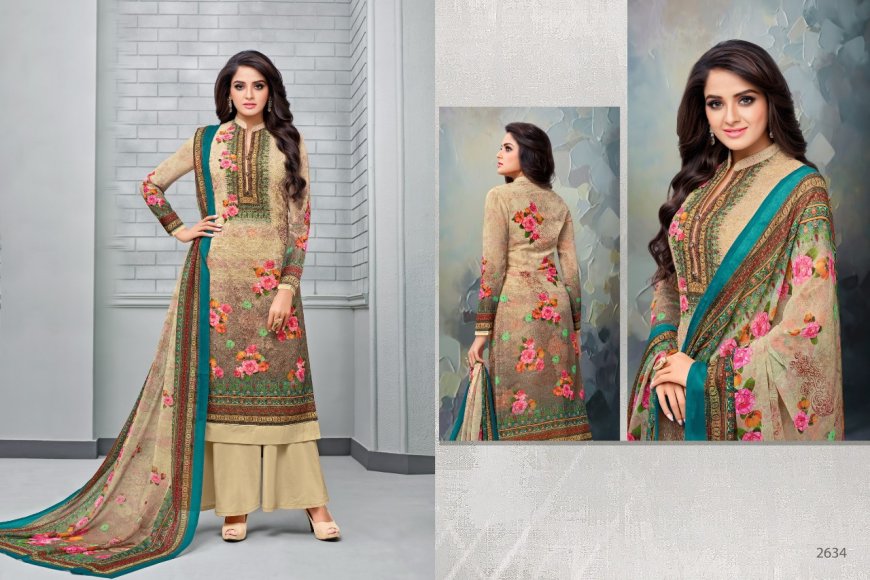
In the dynamic and ever-evolving world of fashion, designers stand as the creative architects, translating ephemeral trends and personal visions into tangible garments that adorn and inspire. More than mere sketch artists or seamsters, they are cultural barometers, business strategists, and artistic visionaries, shaping not just what we wear, but how we perceive ourselves and the world around us. Their role is multifaceted, encompassing a blend of artistic flair, technical prowess, and an acute understanding of the market.
Fashion Designers
At its core, a pakistani fashion designers journey begins with inspiration. This can stem from an infinite array of sources: historical periods, art movements, nature, travel, social phenomena, or even a fleeting moment observed on the street. This initial spark is then meticulously developed into a concept, often articulated through mood boards, color palettes, and fabric swatches. This crucial preliminary stage is where the designer's unique voice begins to take shape, defining the overarching aesthetic and narrative of the collection. It's a period of intense ideation, where raw ideas are refined into a coherent vision that will guide the entire creative process.
Following conceptualization, the designer translates these ideas into tangible forms through sketching and technical drawings. These initial sketches, often quick and gestural, evolve into detailed illustrations that capture the silhouette, proportions, and intricate details of each garment. This stage requires not only artistic skill but also a deep understanding of the human form and how fabric drapes and moves. Computer-aided design (CAD) programs have become increasingly prevalent, allowing designers to visualize and manipulate designs with greater precision and efficiency, but the fundamental ability to translate a three-dimensional idea onto a two-dimensional surface remains paramount.
Once the designs are finalized on paper or screen, the arduous process of pattern making begins. This is where the two-dimensional design is transformed into a set of flat, interlocking pieces that will eventually form the three-dimensional garment. Pattern makers, often working closely with the designer, require exceptional spatial reasoning and a meticulous eye for detail. Any error in the pattern can significantly impact the fit, drape, and overall appearance of the final product. The choice of fabrics also comes into play at this stage, with designers carefully selecting materials that not only align with their aesthetic vision but also possess the desired properties for the garment's intended function and silhouette.
The next crucial step is the creation of a toiles or muslin prototypes. These initial samples, typically made from inexpensive fabric, allow designers to assess the fit, proportion, and flow of the garment before cutting into the final, often costly, material. This iterative process of refinement involves numerous fittings and adjustments, ensuring that the garment not only looks good but also feels comfortable and allows for ease of movement. It's a hands-on stage where the theoretical design meets the practical realities of construction.
Beyond the creative process, fashion designers must also possess a keen business acumen. They are responsible for understanding target markets, identifying trends, forecasting consumer demand, and managing production timelines and budgets. For independent designers, this often extends to marketing, sales, and even managing their own brand identity. Those working for larger fashion houses collaborate closely with marketing teams, merchandisers, and production managers to ensure their collections are not only artistically strong but also commercially viable. The ability to balance artistic integrity with commercial appeal is a hallmark of a successful fashion designer.
Furthermore, ethical and sustainable practices are increasingly becoming integral to a designer's role. With growing awareness of the environmental and social impact of the fashion industry, designers are challenged to explore sustainable materials, ethical production methods, and circular design principles. This shift requires a deep understanding of supply chains and a commitment to responsible innovation, pushing designers to not only create beautiful clothes but also to consider the broader implications of their work.
Final Thoughts
Ultimately, fashion designers are storytellers. Through their collections, they communicate ideas, emotions, and cultural narratives. They challenge conventions, redefine beauty standards, and inspire confidence. From haute couture masterpieces gracing international runways to ready-to-wear collections shaping everyday wardrobes, their influence is pervasive. They are the dream weavers of the sartorial world, constantly pushing boundaries and reimagining the possibilities of personal expression through cloth. Their work is a testament to the enduring power of creativity and its ability to shape not just what we wear, but how we experience the world.