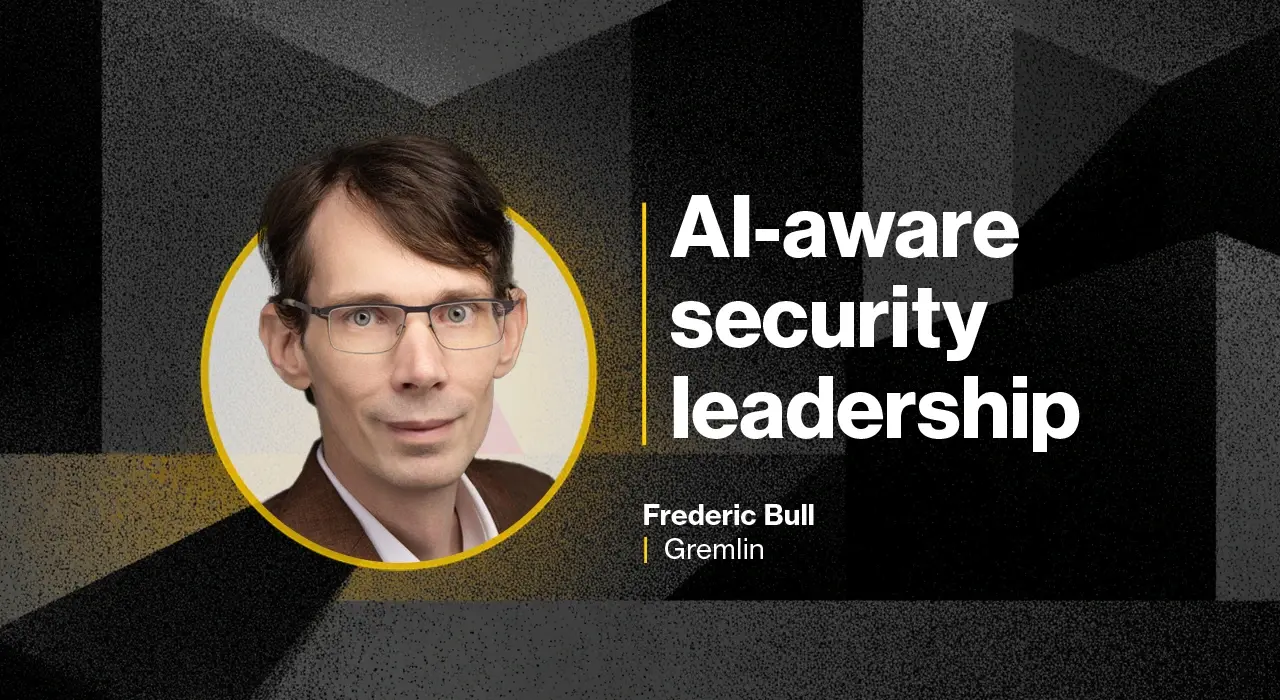
Oct 10, 2026Twila Rosenbaum When finance asks for a flat cybersecurity budget or a 12% cut, uniform trimming can weaken protection. A better approach is to sort spending into four buckets: what works, what was never operationalized, what duplicates another team’s tool, and what exists only for compliance theater. Security leaders who speak in risk and dollars and tie spending to revenue can change the conversation with finance. View more
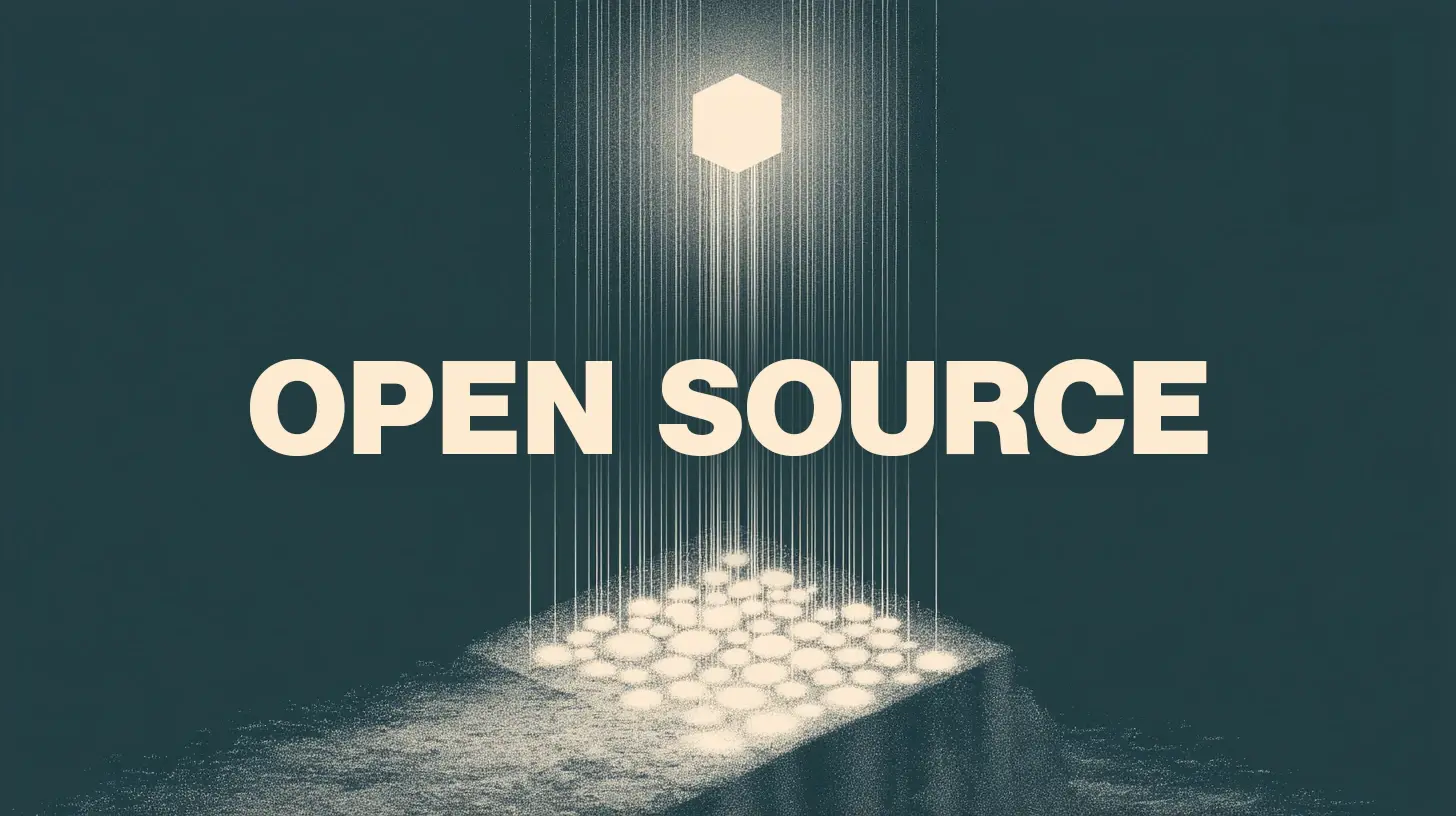
Oct 10, 2026Twila Rosenbaum AI coding tools are accelerating code generation and vulnerability discovery, but human maintainers still must review every contribution. That review load is growing for open-source projects, many of which operate with thin or unreliable funding. The imbalance raises security and sustainability concerns for software embedded in phones, cars, cloud systems, and AI platforms. A recent policy analysis calls for more investment in documentation, packaging, fundraising, and governance so institutions can identify critical dependencies before they fail. View more
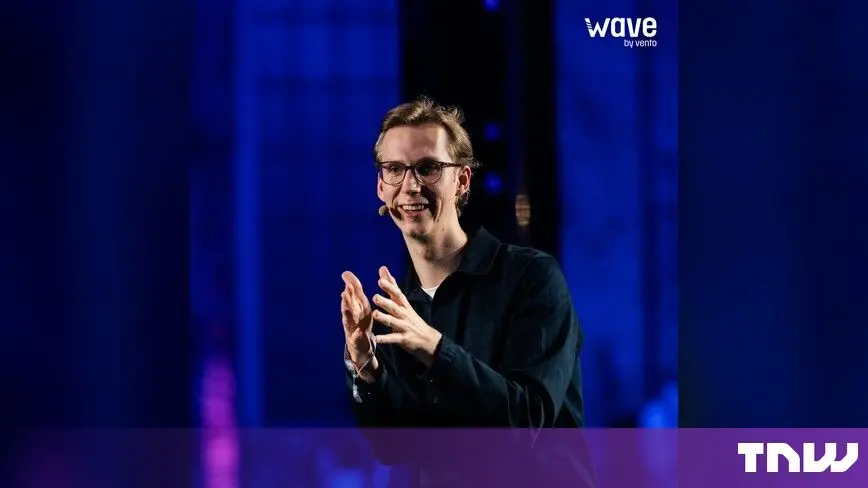
Oct 09, 2026Twila Rosenbaum Max Junestrand, co-founder and CEO of legal AI company Legora, told an audience in Turin that European sovereignty in software is an excuse for companies not bold enough to compete globally. He said sovereignty matters for energy, defence, and infrastructure, but not for enterprise applications used across continents. General Catalyst's Jeannette zu Fürstenberg countered that Europe needs its own energy and compute clusters to stop value from leaking abroad. The discussion also covered Legora's rapid revenue growth, its global ambitions, and the pressures facing law firms as AI reshapes billable work. View more
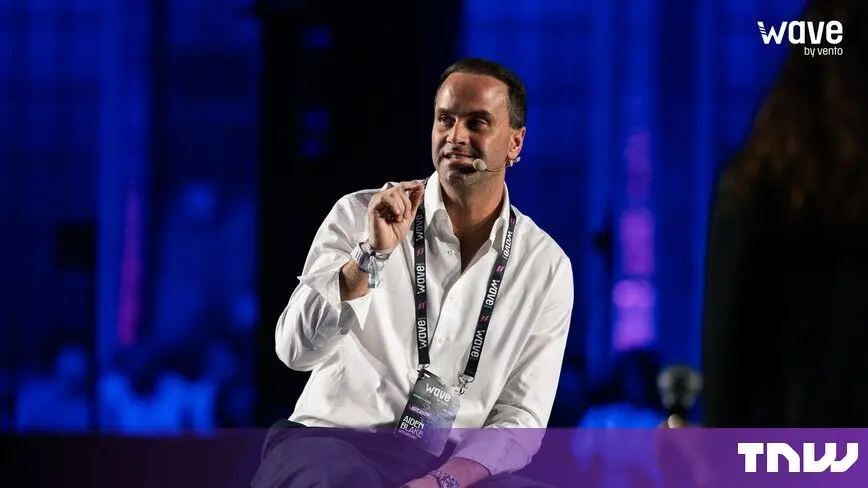
Oct 09, 2026Twila Rosenbaum AI may allow a company to be built from anywhere, but founders are still choosing to sit together. At a Turin startup conference, Station F director Roxanne Varza and Anthropic’s Aiden Blake said physical presence is driving momentum in the AI boom. Station F’s F/ai programme requires teams to appear on campus for key moments, and two-thirds of its current batch comes from outside France. Blake said online tools make customer engagement easier, but real trust still happens in person. View more
Oct 09, 2026Twila Rosenbaum Europe’s venture-backed companies are worth $4.4tn and could overtake the continent’s industrial base within five years, according to new industry data. Investment is running at $89bn annually, with 56 companies valued above $10bn. But later-stage gains often flow to US investors, and pension capital remains largely untapped. The debate now centres on a single capital market, AI spending, and defence procurement. View more
Oct 09, 2026Twila Rosenbaum President Donald Trump is set to announce $2.4 billion in AI tools and compute credits from five technology companies for federal science. Nvidia leads with $1 billion, followed by AMD, OpenAI, Anthropic, and Google. The pledges support the Genesis Mission, which already has more than $5 billion behind it across federal agencies. Yet the commitments do not guarantee scientists reserved machine time, and the same administration suspended Microsoft from a permanent-residency sponsorship programme hours earlier. View more
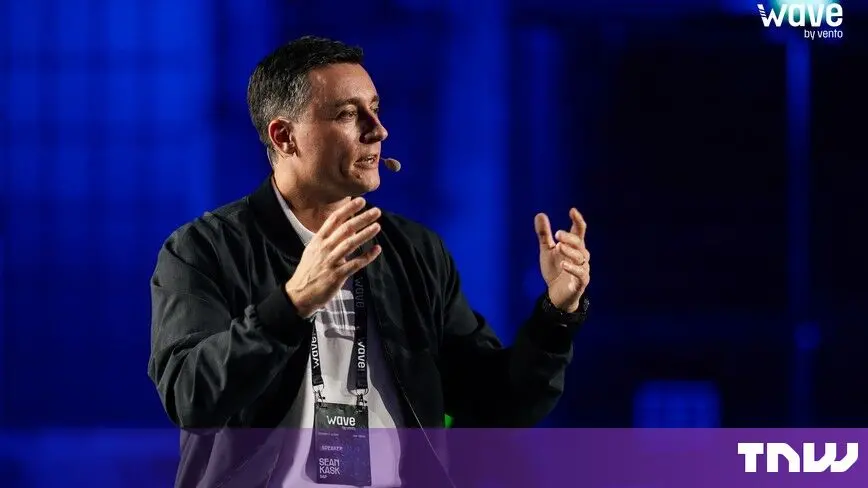
Oct 09, 2026Twila Rosenbaum SAP has committed more than €1bn over four years to Prior Labs, a German startup building tabular foundation models. Chief AI strategy officer Sean Kask says software companies must rebuild around AI rather than bolt it on. He argues that tabular data, though only about 20% of business information, drives most enterprise value. SAP is keeping Prior Labs as an independent open-weight lab while integrating tabular AI across its products. View more
Oct 09, 2026Twila Rosenbaum As enterprises race to deploy AI, connectivity is emerging as a critical bottleneck and opportunity. Agentic AI creates always-on traffic patterns that traditional IP networks were never designed to handle. Modern networks need real-time telemetry, segment routing, EVPN, FlexAlgo, and MACsec to deliver dynamic performance, policy, and sovereignty assurances. Organizations that modernize can monetize new AI services, while those that delay risk competitive irrelevance. View more
Oct 09, 2026Twila Rosenbaum Network operations teams are being asked to trust AI agents with real production decisions. Selector has introduced Foundry, a development and runtime environment that applies software engineering discipline—version control, code review, and staged rollouts—to network AI agents. The platform lets teams commit agents to their own Git repositories, replay them against historical incidents, enforce guardrails, and gradually expand autonomy. Selector says the goal is to let customers build agents around their own data and workflows rather than choosing from a fixed vendor catalog. View more
Your experience on this site will be improved by allowing cookies Cookie Policy
These cookies are essential for the website to function properly.
These cookies help us understand how visitors interact with the website.
These cookies are used to deliver personalized advertisements.