




















Rudrabhishek Puja in Varanasi: A Comprehensive Guide
Varanasi, one of the oldest living cities in the world, stands as a spiritual epicenter for millions of Hindus. Nestled along the sacred banks of the Ganges, this ancient city is home to the famous Kashi Vishwanath Temple, dedicated to Lord Shiva. Among the many rituals performed in Varanasi, the Rudrabhishek Puja holds a place of immense significance. Devotees from all parts of India and the world come here to seek the blessings of Lord Shiva through this powerful Vedic ritual.
Understanding Rudrabhishek Puja
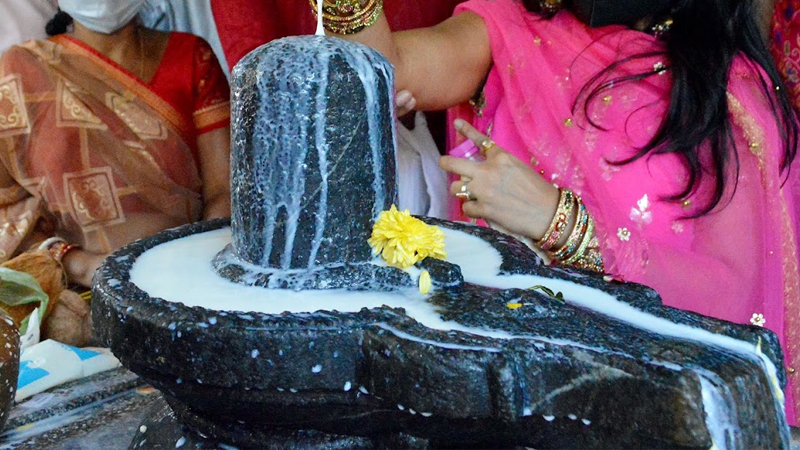
Rudrabhishek Puja is a highly revered form of worship dedicated to Lord Shiva, particularly in his Rudra form. The term "Rudra" refers to the fierce aspect of Shiva, representing the cosmic force that destroys evil and brings transformation. "Abhishek" means ceremonial bathing or anointing. Thus, Rudrabhishek involves the ritualistic bathing of a Shiva Linga with various sacred substances such as water, milk, honey, curd, ghee, sugar, and more.
This puja is not only a ritual of devotion but also an invocation of cosmic energies that bring peace, prosperity, health, and the removal of negative karmas. It is believed that when performed with complete devotion and proper Vedic procedures, Rudrabhishek can fulfill desires, neutralize planetary doshas, and even pave the way for spiritual enlightenment.
Why Varanasi is Special for Rudrabhishek
Performing Rudrabhishek in Varanasi, also known as Kashi, is considered especially auspicious. This city is said to be the very heart of Lord Shiva's cosmic presence. According to Hindu mythology, Varanasi is the place where Lord Shiva resides eternally, making it one of the holiest cities for Shaivites (devotees of Shiva).
The Kashi Vishwanath Temple, one of the 12 Jyotirlingas of Shiva, is the central focus of Rudrabhishek rituals in the city. Offering Rudrabhishek at this temple is believed to bestow immense spiritual merit. Devotees often schedule the puja on special occasions such as Mahashivratri, Shravan month (JulyAugust), Mondays, or during their personal life events like marriages, anniversaries, or health-related challenges.
Rituals and Procedure of Rudrabhishek
The Rudrabhishek Puja is performed with strict adherence to Vedic rituals. The ceremony typically includes the following steps:
- Sankalp (Resolution): The devotee takes a vow in front of the deity and priest, expressing their intent behind the puja.
- Invocation of Lord Shiva: The deity is invoked using mantras and offerings.
- Abhishekam (Ceremonial Bathing): The Shiva Linga is bathed with sacred substances. Each item used has symbolic significance. Milk for purity, honey for sweetness in life, ghee for strength, curd for prosperity, and water for general purification.
- Chanting of Rudram: The priests chant the Sri Rudram from the Yajurveda, a powerful Vedic hymn that glorifies Lord Shiva and seeks his blessings.
- Offerings and Aarti: After the Abhishekam, flowers, bael leaves, incense, and lamps are offered to the deity. The ritual concludes with an aarti, a devotional song of praise.
The entire process may take from one hour to several hours, depending on the type of Rudrabhishek being performedsimple, Laghu Rudra, Maha Rudra, or Ati Rudra, the most elaborate one.
Who Performs the Puja
In Varanasi, northindianpandits are renowned for conducting Rudrabhishek with great precision and authenticity. These priests, often hereditary custodians of Vedic traditions, are well-versed in Sanskrit, Vedic scriptures, and ritual practices. They follow time-honored methods, ensuring that every mantra, mudra, and offering is aligned with spiritual principles.
Many temples, including Kashi Vishwanath, have designated teams of priests who can be booked in advance to perform Rudrabhishek on behalf of the devotees. These pandits can guide devotees through the entire process, from preparation to completion, making the ritual both meaningful and spiritually enriching.
Best Time to Perform Rudrabhishek
Although Rudrabhishek can be performed on any day, certain times are particularly favorable:
- Mondays, especially during the Shravan Maas, are extremely auspicious.
- Mahashivratri, the great night of Shiva, sees thousands flocking to Varanasi for special Rudrabhishek rituals.
- Pradosham, a bi-monthly occurrence associated with Shiva, is another favorable time.
- Devotees also choose their own auspicious dates based on astrological considerations.
Benefits of Rudrabhishek Puja
The Rudrabhishek Puja is considered highly beneficial for a variety of reasons:
- Removal of Obstacles: It helps in overcoming lifes major hurdles and challenges.
- Health and Healing: Known for its healing vibrations, it is recommended for people dealing with chronic health issues.
- Wealth and Prosperity: The puja is believed to attract material wealth and remove financial difficulties.
- Mental Peace: The chanting of mantras creates a meditative atmosphere that brings peace of mind and emotional stability.
- Spiritual Progress: For seekers on the spiritual path, it aids in opening the chakras and enhancing inner clarity.
Booking Rudrabhishek in Varanasi
Today, thanks to digital platforms, it is possible to book a Rudrabhishek Puja in Varanasi even if you are not physically present. Various service providers work in collaboration with temples and trusted northindianpandits to offer online puja services. This includes live-streaming the puja so devotees can witness the ritual from anywhere in the world.
It is important to choose authentic service providers who work with experienced priests and have a good reputation. The cost of the puja may vary based on the type of Rudrabhishek, offerings, and the temple where it is performed.
Conclusion
Rudrabhishek Puja in Varanasi is more than just a ritualit is a deep spiritual experience that connects the devotee with the divine force of Lord Shiva. Performing it in this holy city, amidst the chants of Vedic mantras and the sacred ambience of the Ganges, amplifies its potency. Whether you are seeking spiritual growth, peace, or solutions to worldly problems, this ancient Vedic ritual offers a profound path to transformation. And in the heart of Varanasi, guided by learned northindianpandits, this journey becomes even more sacred and meaningful.