

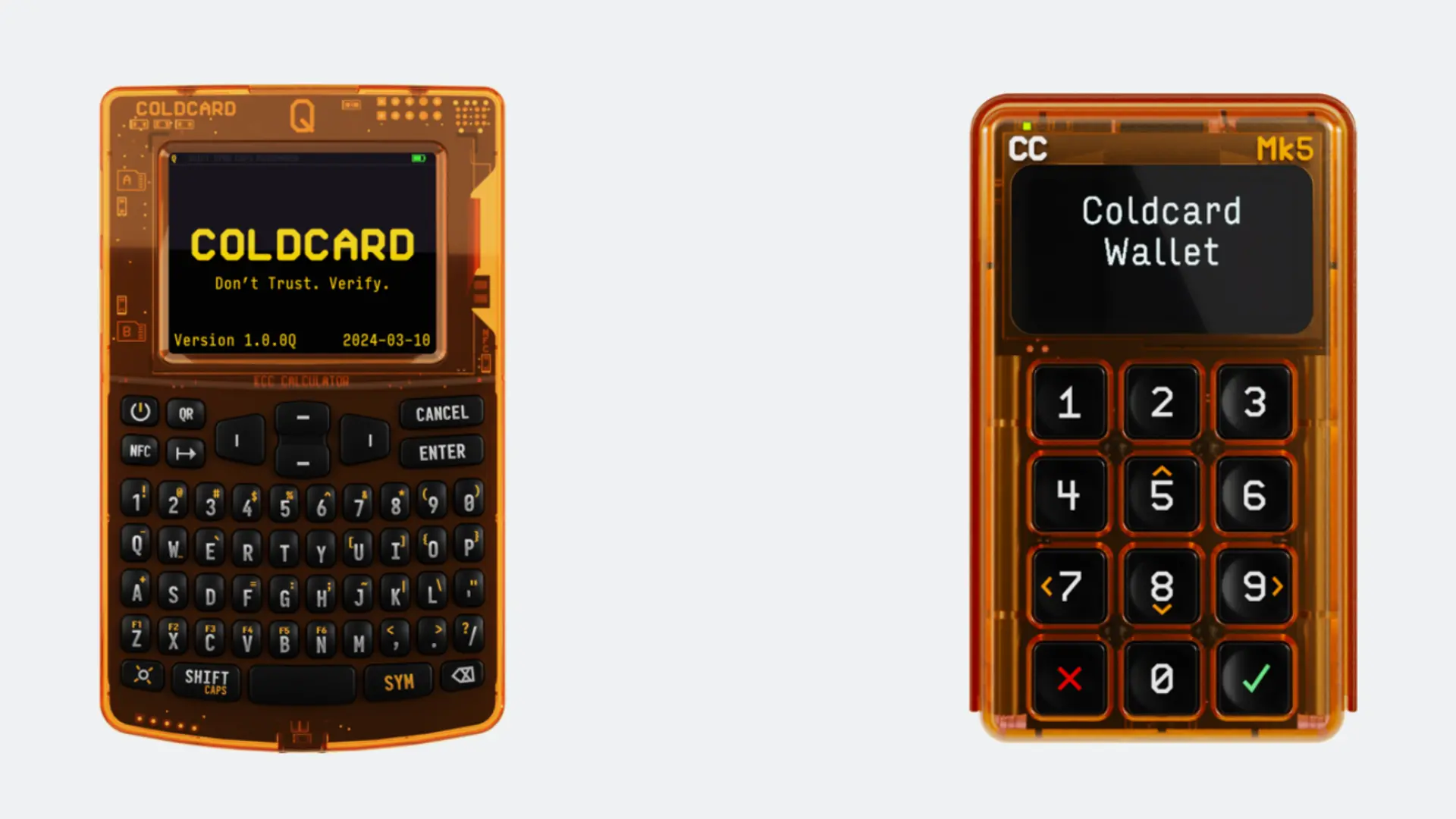
In a startling security breakdown, a major bitcoin hardware wallet flaw has led to the theft of approximately 594 bitcoin — worth around $38 million at current market prices — in a swift 25-minute automated sweep. The attack targeted older Coldcard hardware wallets, a popular choice among bitcoiners who prioritize security and self-custody. The incident has sent ripples through the cryptocurrency community, reigniting debates about the reliability of hardware wallets and the often-overlooked importance of true randomness in generating private keys.
What Happened?
According to information released by Coinkite, the company behind Coldcard wallets, an attacker managed to drain funds from roughly 500 single-signature bitcoin wallets in a coordinated, rapid-fire assault. The theft was not the result of brute force or phishing but rather a fundamental flaw in how some Coldcard devices generated their wallet seeds. In total, around 594 BTC was taken, equivalent to about $38 million, making this one of the most significant hardware wallet exploits in recent memory.
The most alarming aspect is the speed. The entire operation took less than half an hour, suggesting that the attacker had pre-computed the vulnerable wallet addresses and private keys, waiting for the right moment to move the funds. This level of preparation underscores the seriousness of the vulnerability and the need for immediate action from affected users.
Root Cause: A Randomness Failure
At the heart of the issue is a bug introduced in Coldcard firmware version 4.0.0, released in March 2021. In certain conditions, the device failed to use its dedicated hardware random number generator (TRNG), which is designed to produce truly unpredictable seeds. Instead, the firmware fell back to a software-based key generation process that relied on nonsecret chip data as a seed. Because that data could be reproduced or guessed by an attacker, the resulting private keys became effectively predictable.
For context, a bitcoin wallet's private key is a 256-bit number that must be randomly generated. If the randomness is weak, an attacker can narrow down the possible keys to a tiny subset and test them against known addresses. In this case, the vulnerable firmware generated seeds from predictable inputs, meaning the attacker could derive the private keys for thousands of wallets and then filter out those with balances.
This is not the first time that randomness issues have plagued cryptographic systems. In the early days of bitcoin, the Android app used a flawed random number generator that led to a wave of stolen coins in 2013. Similarly, a bug in a popular bitcoin wallet library once generated signatures with the same random nonce, allowing attackers to recover private keys. The Coldcard incident, however, is particularly notable because of the device's reputation for being one of the most secure hardware wallets on the market.
Which Devices Are Affected?
Coinkite has stated that the vulnerability affects users who created seeds on the Coldcard Mk3 device running firmware version 4.0.1 or later. The issue seems to be isolated to that specific model and firmware range. The company was quick to reassure users that the newer Coldcard Mk4, Coldcard Q, and Coldcard Mk5 do not appear to be affected by this particular flaw. However, the full scope of the incident is still being investigated, and Coinkite has urged all users to remain vigilant.
The affected wallets were single-signature wallets, which are directly protected by a single private key. Multi-signature wallets, which require multiple independent keys, appear not to have been targeted or compromised. This highlights the value of multi-sig setups for holding larger amounts of bitcoin, as they provide an additional layer of defense even if one private key generator is compromised.
How Did the Attacker Exploit It?
The exact details of the attack are still emerging, but security researchers speculate that the attacker scanned the bitcoin blockchain for addresses that had been generated using the vulnerable key generation scheme. By replicating the flawed seed generation algorithm, the attacker could create an index of private keys and compare them with addresses that held funds. This would allow them to identify which wallets were still in use and contained a substantial balance.
Once the target list was compiled, the attacker likely used a custom script to sweep the funds automatically. The 25-minute time frame suggests that a series of transactions were broadcast in quick succession, moving the BTC to a consolidated address or a mix of addresses in an attempt to obfuscate the trail. Blockchain analysts are now closely monitoring the movement of these stolen funds, hoping to trace them and potentially identify the perpetrator.
Interestingly, the bitcoin market has remained relatively calm in the wake of the theft. The price of BTC was around $64,000 at the time, and the incident had little visible impact on market sentiment. This may be because the amount, while significant, is relatively small compared to the overall daily trading volume. Still, the news has dominated crypto media and sparked a wave of concern among hardware wallet users.
Coinkite's Response and User Warnings
Coinkite has been proactive in communicating with its user base. The company released a public warning advising anyone who generated a seed on a Mk3 wallet running firmware 4.0.1 or later to move their funds immediately to a wallet created on unaffected hardware or to use a software wallet with strong entropy. The company also suggested that users who are unsure about their device's history should generate a new seed and transfer their bitcoin as soon as possible.
In a surprising twist, the attacker's wallet has reportedly become a kind of graffiti wall, with several users sending messages to the address, pleading for the return of their funds or attempting to negotiate with the hacker. One message reportedly read, "You stole, please return some." This unusual phenomenon has turned the incident into a social media spectacle, but it is unlikely to yield any reimbursement for the victims.
Coinkite has also indicated that it is working on a firmware update to address the underlying bug and prevent future occurrences. However, since the vulnerability has already been exploited, the most pressing task is helping affected users secure their remaining assets.
Lessons for the Crypto Community
This incident serves as a powerful reminder that hardware wallets, despite their name, are not foolproof. They are complex pieces of technology that rely on multiple components working together correctly. A single flaw in the firmware, a compromised supply chain, or an implementation mistake can undermine the entire security model.
For everyday bitcoiners, there are several takeaways. First, it is crucial to keep firmware up to date, but it is equally important to research the details of each update before installing it. In this case, the vulnerable firmware was released years ago, but many users may have remained on old versions or failed to regenerate their seeds after upgrading.
Second, using a multi-signature setup can provide a safety net. Even if one key is compromised, an attacker would still need access to the other keys to move the funds. This is why many major bitcoin exchanges and institutional custodians use multi-sig wallets for their reserves.
Third, users should consider generating their own entropy when creating a wallet seed. Some hardware wallets, including Coldcard, offer an "advanced mode" that allows users to manually dice-roll or use other physical sources of randomness. While this process is slower and more tedious, it can protect against firmware bugs that corrupt the normal random number generation process.
Finally, it is essential to regularly review and audit your own security practices. If a hardware wallet has been used for years without activity, it is worth checking whether it was affected by known vulnerabilities. In the world of cryptocurrency, self-custody is a double-edged sword: it gives you full control, but it also makes you responsible for your own security.
What the Future Holds
The Coldcard incident will likely be studied by security researchers for years to come. It highlights the often-overlooked importance of the random number generator in cryptocurrency security. As hardware wallets evolve, manufacturers will need to implement more rigorous testing and fail-safe mechanisms to ensure that a fallback to software RNG never silently occurs.
In the meantime, the stolen bitcoin remains in the attacker's control. Blockchain analysis firms are on the alert, and any attempt to move the funds may be scrutinized. However, with privacy-enhancing tools such as CoinJoin and Lightning Network, the attacker may be able to launder the funds successfully. The victims of this theft are unlikely to be compensated, as cryptocurrency transactions are irreversible.
One of the more interesting side effects of the incident has been the response from the wider crypto community. Some have expressed sympathy for the victims, while others have criticized them for not taking advantage of multi-sig or other advanced security measures. This division is common in the aftermath of major thefts, but it also points to a broader educational gap that still exists in the space.
For now, Coinkite is urging all users, even those who believe they are unaffected, to double-check their firmware versions and wallet creation dates. The company has pledged to provide regular updates as its investigation unfolds. The 25-minute sweep may be over, but the fallout is just beginning.
Source:Coindesk News